Category: Product Technology

  • Under the Hood: Introducing DrayDocs

    Under the Hood: Introducing DrayDocs

    Earlier this week, we previewed a new feature on the blog, Under the Hood, aimed at highlighting updates we’ve made to our technology. 

    Today, we’re debuting the initiative, with a back-end solution that will help our marketplace drivers get paid faster.

    Introducing DrayDocs, a document management tool that will drastically simplify the process carriers go through when organizing, tracking, and submitting transactional documents for drayage loads.

    Document Upload Update

    Crop_CDM

    Once a load is complete, carriers will be prompted to upload documents into specific categories, as opposed to bulk upload. This approach helps us make it clear to a carrier which documents are required to complete a job and to get paid.

    After a document has been uploaded through a new, easy-to-use interface, carriers will be able to crop, rotate, and adjust the photo to ensure the document submission is clear. By allowing editing functions for each document, we can drastically lower the chances of faulty image uploads.

    Accessorial Add-Ons

    Add Accessorial

    This release will additionally allow carriers to add accessorials fees to invoices, for both drayage and OTR, directly in the NEXT mobile app.

    For example, if fees have been accrued while hauling a load, carriers can easily select the fee type from a menu, enter the fee amount, and receive a receipt of the charge. This will ensure all costs are correctly and efficiently added to the invoice without delays.

    Additional Updates For Shippers and Terminals

    In addition to the NEXT mobile app updates, this release will create improvements for our partner shippers and terminals. Because the interface is dynamic, we can ensure that all of the documents a shipper needs are sent in tandem with invoices.

    DrayDocs capabilities for carriers are now available in the NEXT mobile app. We’re excited to see what you think of the new features.

  • White Paper: Three Major Opportunities To Improve Port Efficiency

    White Paper: Three Major Opportunities To Improve Port Efficiency

    Across the US, importers and exporters are at the mercy of terminal and port efficiency. Shippers must rely on parties that are faced with geographical constraints, altering how much freight can be moved through their boundaries. A 2019 Survey found that 81% of supply chain professionals identify the terminals as the chokepoint that creates the most friction in logistics. This is perhaps fueled by the perception that terminals can be compensated for inefficiency (demurrage). But make no mistake, there are massive opportunities for improvement in port efficiency, but success will only be achieved if constituents from across the supply chain work together to solve a wide range of issues. Three major opportunities to improve port efficiency are—


    Increasing Transparency Through APIs

    Data sharing has never been a component of traditional terminal and port operations. For far too long, the ports have been stuck using archaic technology and haven’t been able to offer data in effective ways. BCOs could benefit greatly layering in track and trace technology, but the dominant solution, electronic data interchange (EDI), leaves something to be desired. There are more than 2,000 variations of EDI to choose from. Forward-thinking terminals that wish to meet the needs of their shippers have a nearly impossible moving target to hit, a literal 1 in 2,000 chance of getting it right.

    Enter APIs, a more modern programming language that enables disparate programs to more easily share information. APIs, which largely gained mass adoption around Salesforce, can even solve the EDI issue, connecting various EDI languages and enabling real-time data transactions.


    Solving the Chassis Catastrophe

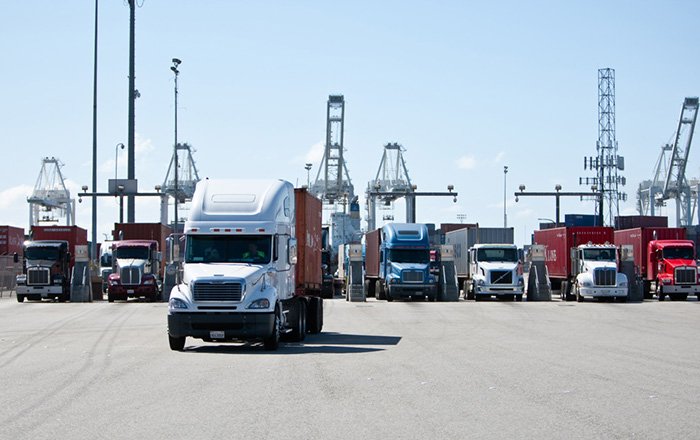
    Many of the steamship lines offer shippers access to free port chassis for a day when a ship arrives. The challenge, however, is that these chassis are often late in returning to the ports, meaning there are not enough to go around. The result is a tremendous drain on the entire supply chain. Containers are left to accrue demurrage fees, often in the thousands of dollars per container, while carriers are essentially required to utilize a set of chassis that aren’t always readily available, dramatically limiting their earning potential and productivity.

    chassis 10_0


    Adding complexity is the fact that not every chassis is made equally; some companies offer GPS or LTE connectivity, allowing shippers and carriers alike to easily learn the location and condition of a chassis. AIM Chassis is on the cutting edge of chassis management. As with APIs, these companies are demonstrating a larger appetite for data sharing to alleviate many of these issues. However in many cases, the terminals are very limited with regards to how much impact they can have; chassis agreements and ownership are not within their overall sphere of influence.


    Scaling through Scalable Solutions


    Nearly every US port has geographical constraints; there is simply no room to expand beyond their current boundaries because the land around them is already owned and in use. This means ports must re-imagine the traditional means of scaling. Automation, which is incredibly expensive, is one approach to increasing throughput. Another, however, is to find space that’s not exactly at the port but is close enough that containers can be easily moved, transloaded, and returned rapidly. Companies like SecureSpace are offering AirBNB-like capabilities and access to yards.

    Another less costly approach is to expand hours of operation to keep up with drayage demand. Ports on the west coast have utilized fees from drivers to enable extra staffing to remain open for more hours and increase throughputs.

    marinehighway


    The NEXT Advantage

    NEXT Trucking has taken a 360º approach to solving congestion at the ports. On the technology side, NEXT has built a solution that connects more than 2,500 various EDI solutions through API, removing one of the major hurdles terminals face in creating transparency and enabling shippers to further leverage their EDI investments. Chassis management issues have been alleviated through the use of AI; chassis management is nothing more than a complex mathematical equation that NEXT has cracked through a new program called Chassis Management, which is being trickled out this month and into the new year.

    NEXT has also pioneered an approach that merges technology and real estate, setting up yards just miles away from the ports of Los Angeles and Long Beach. In partnership with the terminals, NEXT utilizes peel piles to move containers through the ports more rapidly.

    The results have been tremendous:

    • Our customers see a 167% increase in containers pulled per truck
    • We’re decreasing environmental impact by limiting the amount of time trucks idle while waiting to get in and out of the ports
    • We’re cutting demurrage fees out of the picture
  • NEWS: NEXT Expands Drayage Marketplace

    NEWS: NEXT Expands Drayage Marketplace

    We have some exciting news to share! After a successful pilot program allowed qualified independent owner operators and small fleet drivers to access L.A. and Long Beach port loads directly through the NEXT mobile app, we are now expanding the program.

    As a result of this successful pilot program, the drayage marketplace will be open to more users, enabling drivers to gain access to high-paying, local routes.

    Drivers who meet the qualifications for drayage work, such as having a TWIC Card, will soon start to see drayage loads automatically populate in the NEXT app.

    At NEXT, we’re empowering truck drivers and creating technology solutions that put #DriversFirst. With our drayage marketplace, we are truly listening to owner operators and with this marketplace are focusing on short routes, cutting down on empty miles and other pain points associated with port work.

    The pilot program has resulted in positive feedback from drivers so far and NEXT CEO, Lidia Yan agrees it’s “important to be close to home, whether that’s to sleep in their own bed or to be around their families. Our drayage marketplace pilot proved this is an option, while increasing earnings. Last month, we paid a driver more than $1,000 in a day over 850 times.”

    For more information on our drayage marketplace, visit nexttrucking.com or call 855-688-6398

  • Introducing Instegration

    Introducing Instegration

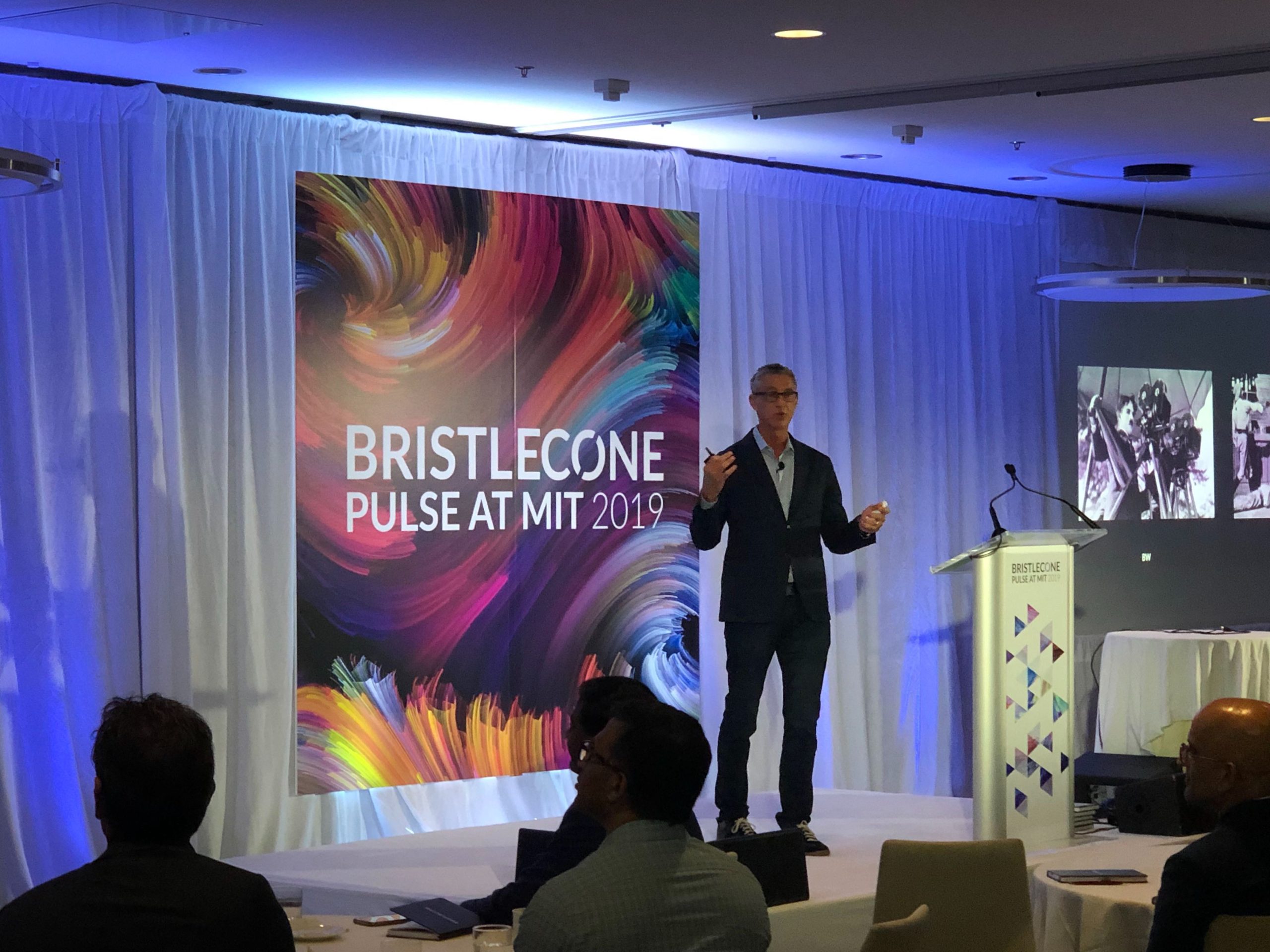
    Earlier this month, NEXT unveiled a partnership and new product with Bristlecone, a supply chain technology solutions provider. The partnership is the culmination of months of work, and opens Bristlecone’s EDI integrations up to NEXT’s shipper-base and driver marketplace.

    Bristlecone has built integrations with 2,000 EDI solutions, which is an incredible feat. However, it speaks to the complexity of selecting a supply chain technology… This isn’t an office environment where Windows and Mac are the established players and Google’s Chromebooks are trying to gain acceptance.

    There are more than 2,000 options to choose from.

    Through our partnership and product, which we’re calling Instegration, any of NEXT’s shippers or carriers with an EDI solution will be able to seamlessly communicate, even if they’re working with disparate EDI solutions. By adding this layer to our marketplace, we are enabling shippers to have more visibility, while empowering carriers and OOs to have access to more cargo. We’re extending the value of EDI investments for all of the players in our marketplace. We’re also making it so new shippers can onboard with us in a matter of minutes.


    For the last few months, NEXT executives have discussed a “new norm” for the supply chain and logistics space, touting how data and data sharing will be globally transformative. This is an example of what we mean, and kicks off a series of initiatives that we’ll be rolling out as we help the logistics industry drive to a new normal.

  • Q&A: Using Data to Drive Port Efficiencies

    Q&A: Using Data to Drive Port Efficiencies

    Earlier this month, NEXT partnered with FreightWaves for an informative webinar on the importance of using data insights to drive port efficiencies.

    The webinar includes insights from NEXT CEO Lidia Yan, CRO Bobby Napiltonia and Henry Byers of FreightWaves. During a live Q & A, participants were able to send live questions to the panel. We’ve compiled some of those questions and answers below.


    long-beach-one-ship


    Talk about what role you think the other “data consortiums (like the Maersk/IBM one) play with what Next is doing drayage. How do you see them working together?

    Bobby: Great question. They’re definitely on our list to reach out to because they are both companies who are dominant players and have been around probably 100 years each, and we want to work with them like any providers to ensure there’s open transparency with data and information that we can roll out. We are come one, come all when it comes to data sharing, but then there are also perspectives that if you build great televisions, or you build great microwaves or refrigerators, you probably shouldn’t be in the data business. We believe there’s a time and place for everyone and that’s why we at NEXT are maniacally focused on truckers first and that makes the BCOs happy and then we are creating a new norm, which is data sharing and openness for all. And by doing that, we know we’ll win.

    Ports and terminals with air quality improvement goals are increasingly trying to upgrade the drayage fleets that serve them, through cost-sharing for truck replacement, and/or mandating more recent engine models. Can NEXT gather and share any info on the trucks using the system, to enable drivers to take advantage of financial support for upgrading their trucks, or expedite approval for entry at locations where old trucks are banned?

    Bobby: Yes, the ports are putting in mandates and they are really around a clean air bill act and what we’re seeing is that ports are using different systems, but all with the same goal. We at NEXT are all about having a clean port and what we’ve found is that most if not all drivers won’t actually be able to purchase new vehicles. We’ve recently invested in a piece of property close the LA ports and we have a product we offer called RELAY and this allows NEXT, who has invested significantly in about 100 trucks to pull those cans offsite, so that any driver that may not have a truck that’s port accessible can still earn a living by picking up loads that don’t require them to have the vehicle being mandated. We’re really investing in making sure they can continue having their life and my personal hope is that it follows the trends of the technology industry spills over into this industry where it appears we’re treating truckers unfairly today.


    portoflongbeach


    Do you foresee ocean containers ever having GPS tracking to help with tracking and tracing of our shipments?

    Henry: Absolutely. It’s one of the biggest issues facing the ocean container industry. Currently, from a shipper’s perspective — they need to understand where their containers are and sure, you can track the vessel, bur being able to see it once it gets off the vessel — you just lose so much visibility of the container when it moves off that ship and into the terminal. I think from an asset management point of view in the steamship lines, it’s going to be critical to identify where these containers are at all times.


    chassis 10_0


    Question about chassis: What have you implemented to increase the availability of chassis and reduce the time to obtain a chassis at the port? Have these efforts had a big impact on turn time?

    Bobby: I refer to it as “The Chassis Catastrophe” because I’ve never seen anything like it. Rickshaws in third world countries are run better than the chassis in the port here. At NEXT, we’ve invested and now have just under a thousand chassis and we’re partnering with smart chassis companies that have digital tracking systems because we’re trying to figure out what the best chassis is. We are working with the chassis companies and the port to help them advance it in a way that makes it more fluid than any other industry in the world.


    Trucks-Low-Angle-e1442351055164


    This question is for Lidia: Bobby mentioned the automation of ports and I was curious if you could speak to the role or opportunity of autonomous trucks in the Drayage market? Especially as autonomous ports become more prevalent globally. How would Next interact with these technologies in the future?

    Lidia: We’re a technology company, so we do love technology and we actually initiated conversations with autonomous truck manufacturers in the past to understand their pace and where they are. It seems like the technology probably requires a little more time. We’re looking at probably five years and the biggest hurdle is probably government and regulations. Right now, autonomous trucks can only be operated in Arizona and Florida, I believe. Ports are relatively more complicated. I don’t know if any of our audience has a Tesla, but you can drive on the freeway with confidence on autopilot, but local traffic and local conditions are very, very different, especially when it comes to terminals. And also, every terminal is different, so that adds more complexity. In five years autonomous trucks will be operating mostly for long haul and NEXT will be interested in working with them, even though we’re a trucker-centric marketplace and empower truck drivers because we believe autonomous trucks will really alleviate burdens for long haul truck drivers. They can drive more hours and take a break whenever they need to, but it will take more time for these trucks to come into the terminals considering the technology limitations at this point. The average truck driver age right now is over 50-years-old, so in ten years we will lose drivers. We believe with the implementation and maturity of autonomous trucks, we’ll get more capacity from the industry, while those autonomous trucks can empower drivers to be more efficient, make more money and of course the priority when I talk to those manufacturers is… you guys need to make a truck affordable for drivers because they are the true entrepreneurs and they keep our economy moving and we want to give them the technology and empower them to have a better life.

  • Webinar: Let’s Talk Data + Drayage!

    Webinar: Let’s Talk Data + Drayage!

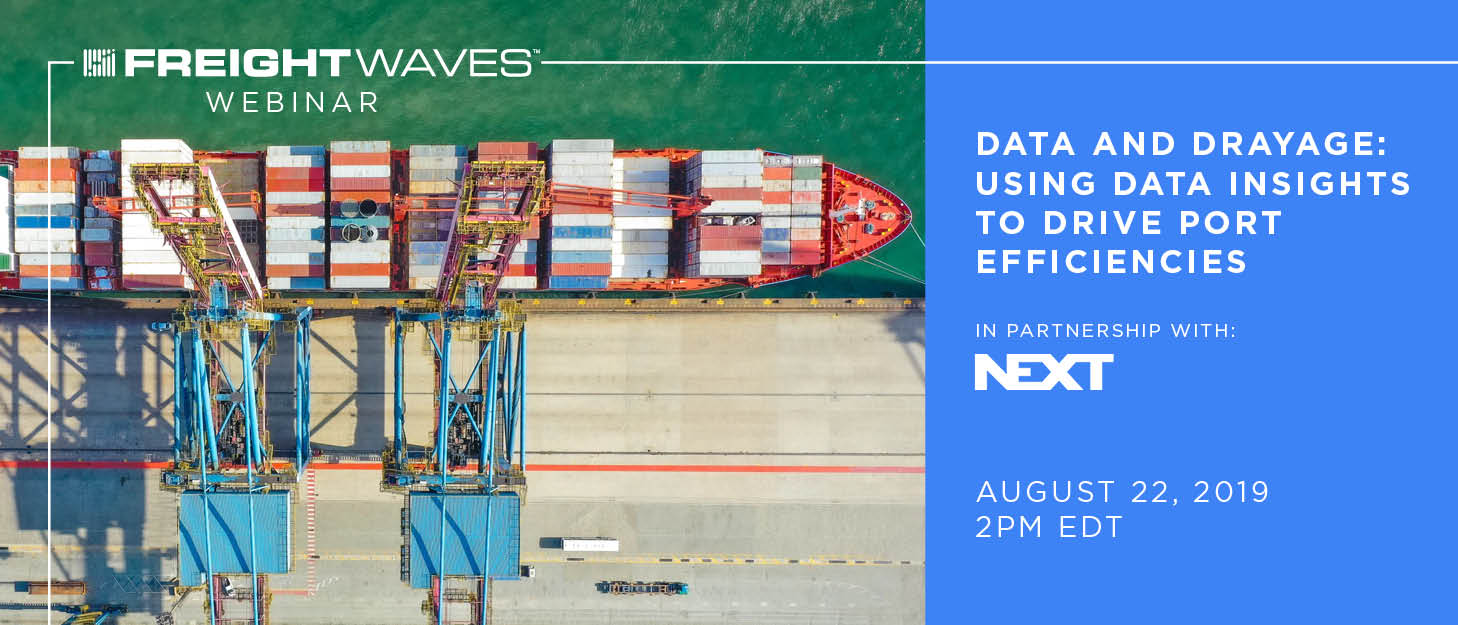
    Yesterday, NEXT partnered with FreightWaves to talk about the importance of using data insights to drive port efficiencies.

    Data sharing can enable companies to intervene at key points in the drayage process to ensure optimal visibility. The webinar is full of insights from NEXT CEO Lidia Yan, CRO Bobby Napiltonia and FreightWaves data guru Henry Byers. Topics include:

    • Key areas of friction and inefficiency in drayage
    • Ways to streamline processes within steamship lines, ports, terminals, etc.
    • How to achieve greater consistency and visibility for better tracking to avoid delays and missed appointments.


  • Product Update: More Roundtrip Loads, Less Deadhead

    Product Update: More Roundtrip Loads, Less Deadhead

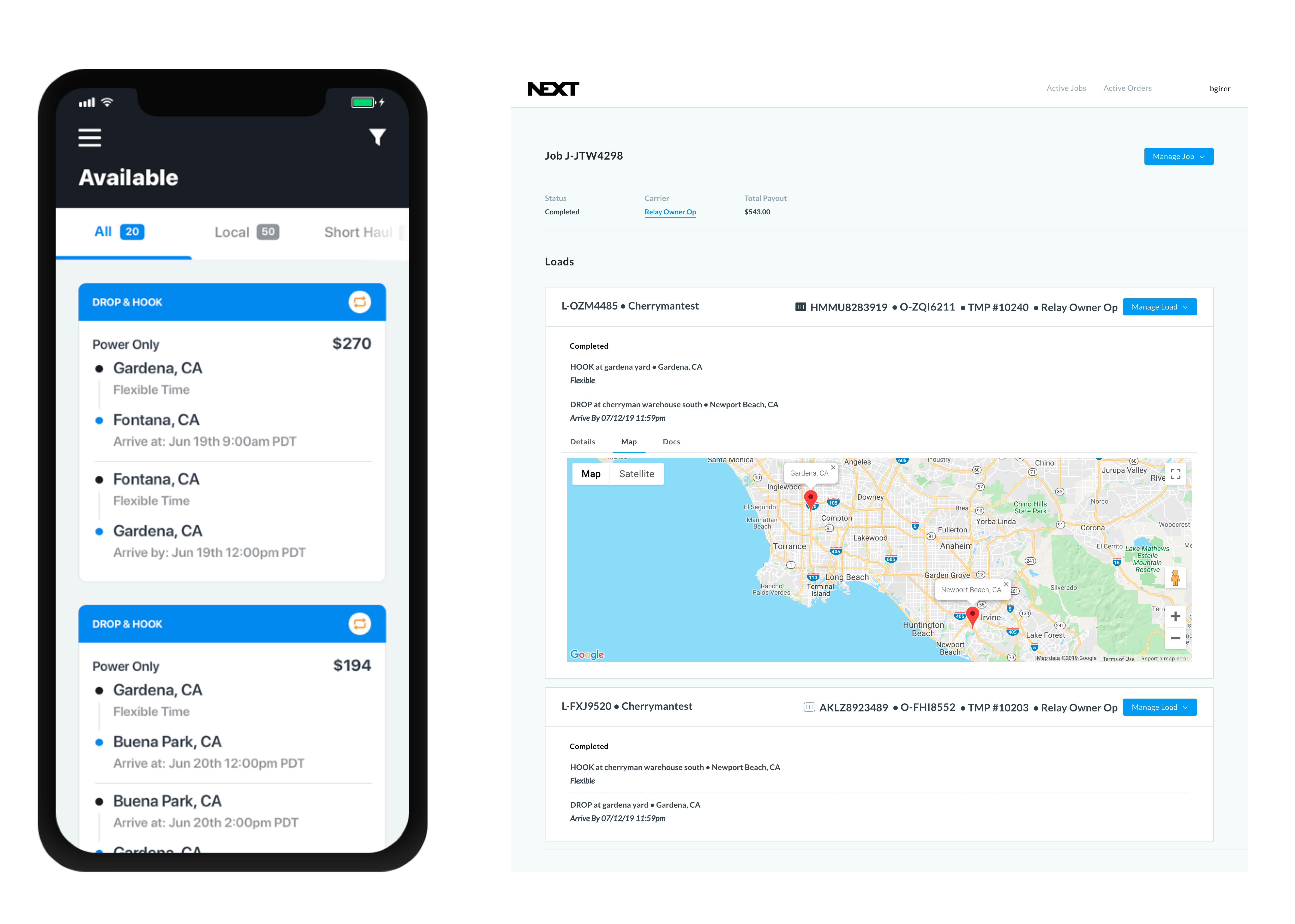
    NEXT has begun rolling out a route-bundling service that allows carriers to easily book roundtrip jobs with the aim to reduce deadhead and more efficiently manage empty miles. The more streamlined feature now gives carriers the peace of mind of knowing that when they book a job going out, they’ll have another one coming back.

    Our mission is to empower truck drivers to work when they want, how they want. We understand finding consistent, reliable work can be challenging and that’s at the heart of this new product feature. We believe carriers shouldn’t have to drive far to earn more.

    In addition to more local loads, the direct result of this enhancement is that drivers and fleet managers can more efficiently manage empty miles, and increase earnings potential. We want to give drivers more opportunities to find and book loads closer to home, with multiple roundtrips replacing the need for long overnight and out of state hauls far away from home and family.

    We’ve spent countless hours with our users conducting focus groups and feedback sessions to figure out how to solve the most pressing issues for truckers. Round trip bundling capabilities have been built in response to the feedback we’ve received from our drivers. Predictability, both in terms of earnings potential and knowing where a driver will be on a given day have been identified as critical in our research, so we’re addressing those head-on.

    Less empty miles, more time with family.

    Book more local loads in the NEXT Trucking app today.

  • DrayTECH 2019 – That’s a Wrap!

    DrayTECH 2019 – That’s a Wrap!

    HTA 6.26.19-5711


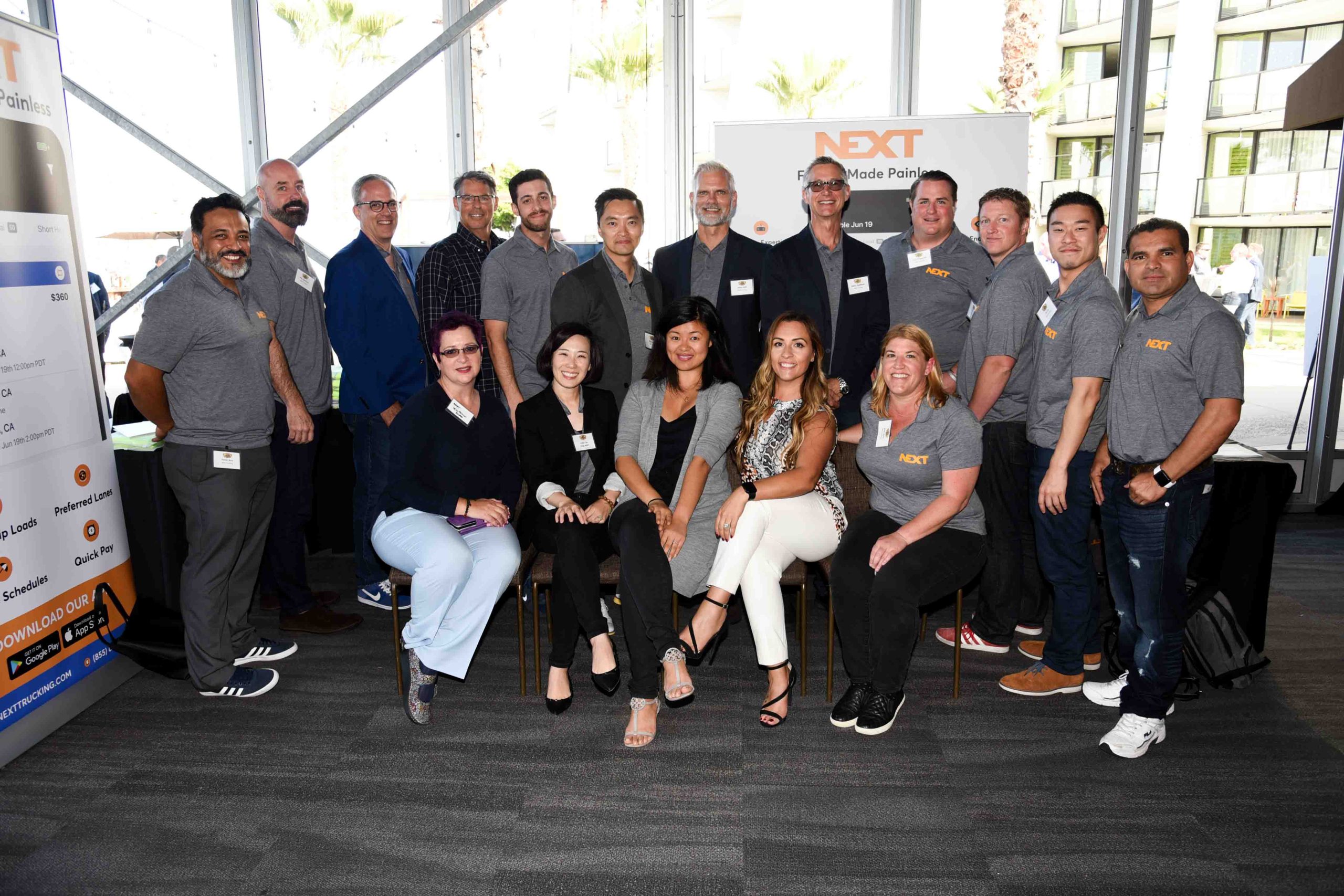
    On Wednesday June 26th, the third annual Harbor Trucking Association DrayTECH conference took place at the scenic waterfront Hotel Maya in Long Beach. This year, NEXT stepped in as the title sponsor of the event, which attracts a number of freight companies, panelists, truck drivers and sponsors all with a vested interest in solving some of the most complex issues surrounding drayage.

    IMG_8430


    The event kicked off with a panel on CleanTech, featuring representatives from XOS Trucks, Clean Energy and Crossroads Finance. An afternoon panel discussed the issues of equipment visibility and tracking technology, with an emphasis on the ongoing pain point of chassis availability at the ports, especially during peak season.

    LA Metro held a breakout session on how to improve the LA county freight transportation system. Overall, LA Metro is looking to play a bigger role in logistics (their original charter is to support transportation of goods and people throughout LA). They are also looking to change their relationship with truck drivers, which has been strained in the past. To change that, they are accepting input from a large number of sources. The discussion then turned to natural gas and EVs — with companies like Edison and PG&E offering massive discounts through state programs ($100k+). Two carriers in attendance who have purchased EVs talked about how the trucks are literally sitting in a yard because there are no chargers powerful enough to charge the vehicles within driving distance. Clean trucking continues to be a hot topic, and one with many different perspectives.

    HTA 6.26.19-5411 (1)


    The afternoon session concluded with representatives from the Port of Los Angeles, Port of Long Beach, Northwest Seaport Alliance, Port of Oakland and LA Metro discussing the state of affairs and the role of the public sector in 21st century port operations.

    Before the final panel of the evening, guests enjoyed cocktails, hor’dourves and some beautiful SoCal sunshine outside the venue facing the Long Beach waterfront.

    HTA 6.26.19-5730

    The evening concluded with Freightwaves introducing NEXT Chief Revenue Officer Bobby Napiltonia, (who brought down the house) with his discussion on the “New Norm” in the freight industry.

    ”We believe we’re due for a makeover. If you don’t, you should probably go home because there won’t be a place here for you tomorrow.”

    HTA 6.26.19-5770


    “Transforming freight starts with drayage. It’s like a dance and if you stumble from the start, you fail.”

    NEXT Co-Founder and CEO Lidia Yan took to the stage to reinforce the importance of the first mile and the need for change.

    “We wanted to be the first technology company to really disrupt, change and resolve the problems that have existed for so many years.

    By combining our virtual fleet and freight marketplace with owned yards/assets, we are able to increase truck turns and container moves resulting in faster deliveries for shippers and greater earning potential for drivers.”

    IMG_8695


    Both Napiltonia and Yan echoed that change begins with reimagining the current business model and forming partnerships to share data and work collectively to bring more transparency to the industry.


    HTA 6.26.19-5814


    Harbor Trucking Association CEO Weston LaBar agrees and has long been an advocate for technology advancements in drayage operations.

    “Technology will be what drives our industry, both literally and figuratively. We need to embrace sharing data and leveraging technology to provide visibility and accountability for cargo-owners. Gone are the days that progress in drayage will be decided by the slowest adopters. They need to get on board or be left behind. Together, HTA, NEXT, and other forward thinkers will lead our industry into a new industrial revolution that is driven by advanced technology. Viva La Revolution!”

    In other words, hold on tight. Change is coming.

  • NEXT Raises $97M in Series C Funding

    NEXT Raises $97M in Series C Funding

    NEXT Raises $97 Million to Drive the Future of Logistics Forward

    NEXT unveils Relay, a new drayage service aimed at streamlining our nation’s busiest ports while enabling truckers to earn more

    Lynwood, CA–January 23, 2019– NEXT, the technology company that connects shippers and carriers to meet today’s growing transportation demands, announced today that is has secured $97 million in a series C round of financing led by Brookfield Ventures, with participation from Sequoia Capital, GLP, and others, bringing NEXT’s total capital raised to more than $125 million.

    “The logistics space is under more pressure than ever before – with more shipments coming into our ports than drivers and warehouses have the capacity to manage,” said Lidia Yan, CEO at NEXT. “We look forward to bringing new innovations to market to address this issue head on and growing our team with the best and brightest technology talent in Southern California.”

    NEXT will use the funds to accelerate product innovation and launch Relay, a new service designed to address the systemic congestion at shipping ports like the ports of Los Angeles and Long Beach, which account for more than 30% of all U.S. imports. Relay is designed to bring efficiency and expanded capacity for drayage, the process of moving goods from ports to a shipper’s warehouse. By combining NEXT’s virtual fleet and freight marketplace with owned yards, Relay effectively increases the number of trips that trucks can make to and from port, resulting in faster deliveries for shippers and greater earning potential for drivers.

    Relay is currently live at NEXT’s Gardena, CA facility and has already seen early success in pilot. With Relay, drayage drivers increase earnings by up to 20 percent, while local over-the-road (OTR) drivers increase earnings by up to 50 percent. On the supplier side, NEXT customers have seen 167 percent more containers pulled per truck.

    In addition to the new Relay service, NEXT will leverage the funds from this round to expand their technology, operations, and sales teams and expects to open more than 150 new positions in 2019.

    “As the owners of 37 ports worldwide and the first fully automated terminal operator at the Port of Los Angeles, Brookfield knows first-hand the unique and complex challenges impacting the transportation and logistics sectors,” said Josh Raffaelli, Managing Director at Brookfield Ventures. “We are excited to partner with NEXT and are confident that its differentiated technology, strong customer base, and proven execution will enable the company to advance its position as a true innovator in this critical area. We are eager to work with NEXT’s talented management team and identify new areas of growth.”

    “NEXT continues to address the critical issues that face logistics management in the US- from the nationwide driver shortage to congestion and operations at our busiest ports,” said Omar Hamoui, partner at Sequoia. “We’ve been impressed with NEXT’s ability to execute, and the introduction of Relay proves they have the team and expertise to continue innovating in ways that will ease the pain points of carriers and shippers. We’re thrilled to continue our partnership with NEXT as they enter this next phase of growth.”

    To learn more about NEXT, visit www.nexttrucking.com.

    About NEXT

    NEXT is a technology company that connects shippers and carriers to meet today’s growing transportation demands. With smart matching and predictive load technologies, NEXT matches truck drivers with capacity to available loads, streamlining the process and providing drivers with full control over their careers. With the best talent from both the technology and logistics industries, NEXT is developing innovative solutions to solve today’s biggest transportation challenges.

    About Brookfield Ventures

    Brookfield Ventures is the technology investing arm of Brookfield Asset Management. Founded in 2017, Brookfield Ventures seeks to partner and invest growth equity into market leading technology companies that can leverage the diverse real assets and operating businesses that make up the $330+ billion Brookfield economy.