Category: Trucker Life

  • NEWS: NEXT Expands Drayage Marketplace

    NEWS: NEXT Expands Drayage Marketplace

    We have some exciting news to share! After a successful pilot program allowed qualified independent owner operators and small fleet drivers to access L.A. and Long Beach port loads directly through the NEXT mobile app, we are now expanding the program.

    As a result of this successful pilot program, the drayage marketplace will be open to more users, enabling drivers to gain access to high-paying, local routes.

    Drivers who meet the qualifications for drayage work, such as having a TWIC Card, will soon start to see drayage loads automatically populate in the NEXT app.

    At NEXT, we’re empowering truck drivers and creating technology solutions that put #DriversFirst. With our drayage marketplace, we are truly listening to owner operators and with this marketplace are focusing on short routes, cutting down on empty miles and other pain points associated with port work.

    The pilot program has resulted in positive feedback from drivers so far and NEXT CEO, Lidia Yan agrees it’s “important to be close to home, whether that’s to sleep in their own bed or to be around their families. Our drayage marketplace pilot proved this is an option, while increasing earnings. Last month, we paid a driver more than $1,000 in a day over 850 times.”

    For more information on our drayage marketplace, visit nexttrucking.com or call 855-688-6398

  • What Is a Truck Driver’s Salary?

    What Is a Truck Driver’s Salary?

    At NEXT, it’s our goal to offer solutions and technology that improves the lives of truck drivers every single day. A big part of that is helping drivers understand just how much they can earn on a weekly basis. Many carriers working with NEXT can earn up to $1000 a day in our Marketplace.

    For context, a quick web search on “how much does a truck driver make?” brings up results that range from $3,500-$6,000… per month. NEXT has never been in the game of paying drivers as little as possible. When we learned drivers were making more than a monthly average every week, we approached these drivers to ask how they were doing it, and to come up with ways we can help other drivers replicate it.

    In fact, that’s one of the key reasons we created our Carrier Advisory Board. We’re working with outstanding OOs and dispatchers to uplevel how much drivers are paid.

    Does this mean every driver will earn $1k per day driving for us?

    No, but that’s our goal.

    If a driver wants to earn $1,000, they can opt to take round trip loads and do it. If they decide to work less hours, earn $10k per month ($500 per day x 5 days per week x 4 weeks per month), and be able to take their kids to school in the morning, that’s great too.

    We’re empowering drivers to work when they want and how they want.


  • Introducing Our Drayage Referral Program

    Introducing Our Drayage Referral Program

    Today, we’re announcing a new drayage referral program — one of our #DriversFirst initiatives. Any driver in our marketplace will have the opportunity to earn $250 for every drayage driver they refer to NEXT.

    The Details:

    • We are kicking the program off today, on 10-4 (which is pretty perfect!)
    • Referred drivers must complete 5 loads by 12/31/2019 for referrer to receive bonus
    • Newly on-boarded and active O/Os are immediately eligible to participate in the referral program
    • Referrers must remain compliant in order to be eligible for referral award
    • The referrer will receive $250 for each referred O/O who completes 5 loads

    Our referral program will run through October 31, 2019. To submit a referral or for more information, please send an email to: referrals@nexttrucking.com 


    You Spoke, We Listened

    NEXT is also pleased to announce that we have established a Carrier Advisory Board (CAB) as a way to ask our carrier community how we can be a better partner. One of the most common requests was a referral program, so this is a direct result of what the independent drivers we work with are telling us.

    Right now, the Carrier Advisory Board is growing and we’d like to hear more thoughts from drivers like you. If you’d like to hop in our CAB (see what we did there!) email CAB@nexttrucking.com


  • Insider Hacks To Navigating Crowded Ports

    Insider Hacks To Navigating Crowded Ports

    In twelve years as a proud owner-operator, Marvin Estrada has spent more than his share of time waiting in crowded ports. On this day, Marvin arrives early and takes his place in line. Hopefully, it won’t be too long today Marvin thinks, as he tunes the radio to his favorite station.

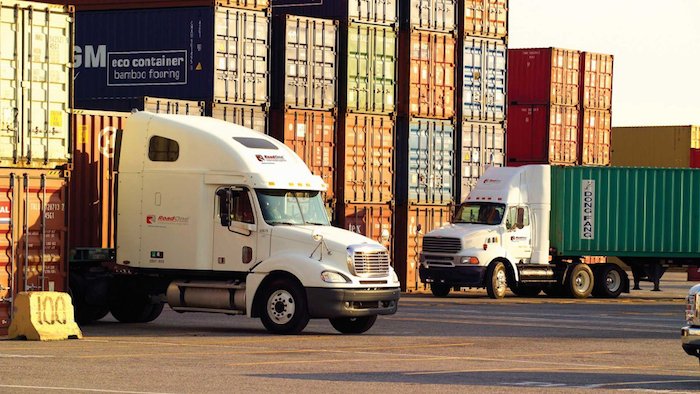
    port-los-angeles-trucks-enterance_0


    One hour in and Marvin’s rig hardly moves. At two hours, the line begins to inch forward, but ever so slowly. With his appointment time rapidly approaching, Marvin can feel his grip on the wheel tightening and his pulse rising. Is he going to make his appointment? The odds aren’t looking good, but hopefully, the dispatcher can find him a later time slot.

    After over three hours in line, Marvin finally reaches the loading dock. He watches his freight descend only to stop and suspend inches from his chassis. Tragically, the long line ran Marvin’s time into the operator’s lunch break—nothing will move for another hour and a half. After another 35 minutes at the mechanic station, and an hour and a half in the terminal exit line, Marvin is finally on his way.

    portofla-ap


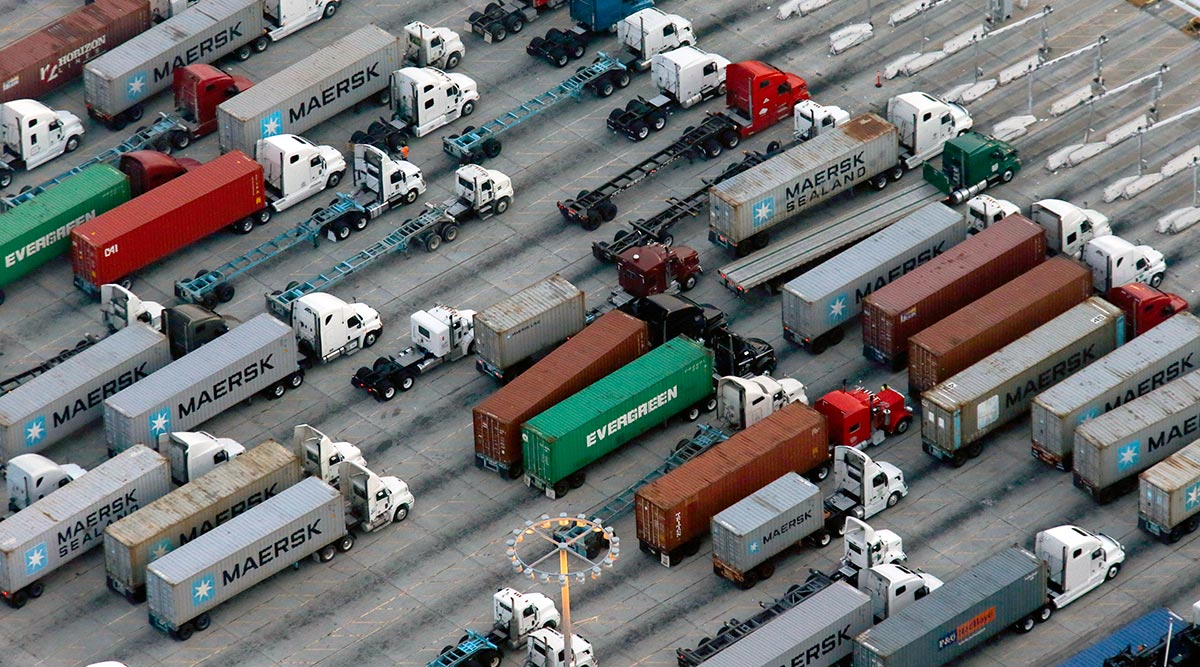
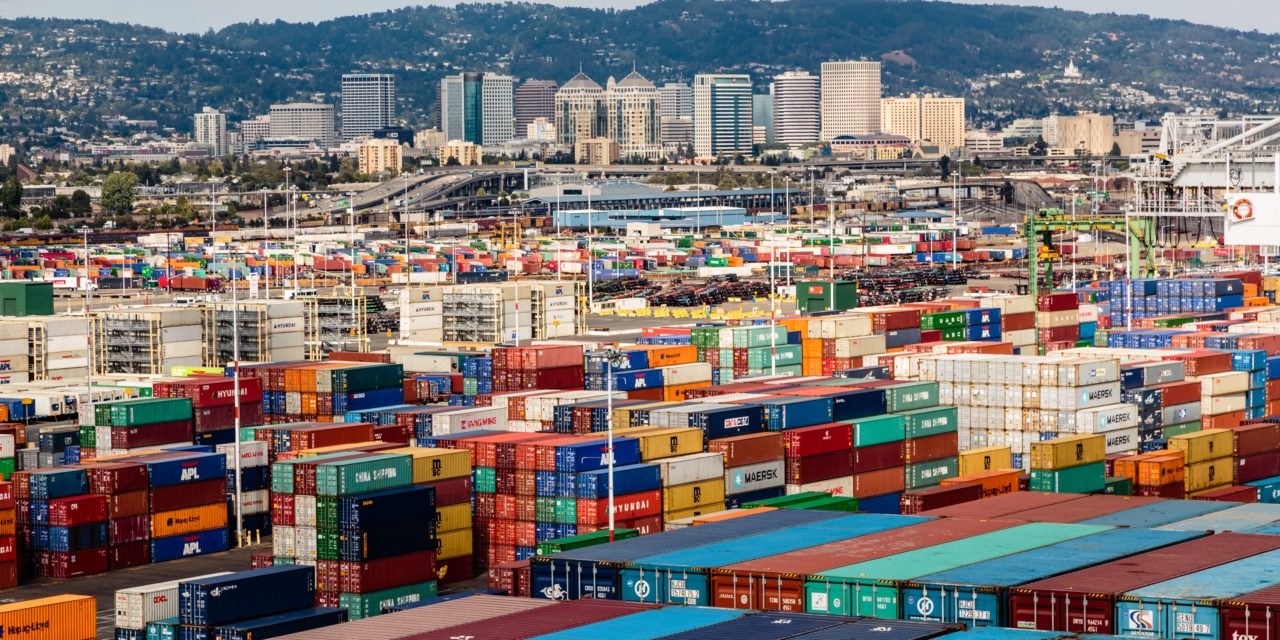
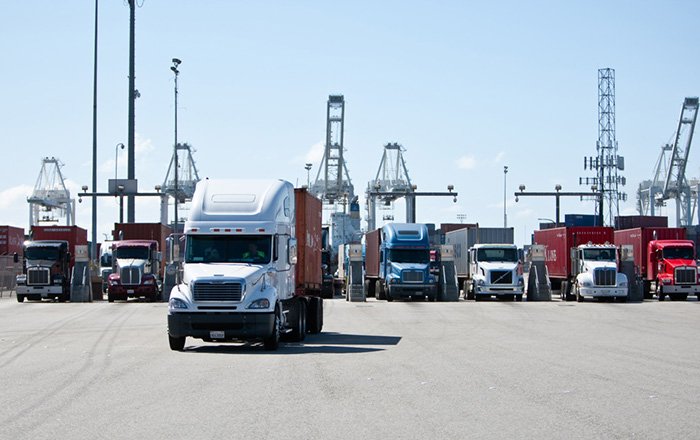
    Sadly, this story is all too common for today’s drayage drivers. For owner-operators like Marvin, who currently drives and recruits other drivers for NEXT Trucking, overcrowded ports and long lines are a way of life. Nearly 63% of drivers say they wait three hours or more at shipping docks. According to the April 2019 FREIGHTWAVES Port Report, wait times in Los Angeles ports run around 120 minutes, with the Elizabeth New Jersey port running about 159 minutes.


    Trucks-with-shipping-containers-at-the-Port-of-Los-Angeles


    Marvin speaks to the stress drayage drivers feel. “It’s just crazy. It’s a mess. One of the ports is backed up five miles, out to the freeway, right now. Crowded ports with long lines make our jobs as owner-operators so much harder.”


    But wait—all isn’t gloom and doom. Not a moment too soon, here are some insider hacks to help drayage drivers better navigate today’s crowded ports.


    1. Book Earliest Appointment- Try to book one of the first appointments of the day and arrive as early as possible. If the terminal opens at 8 AM, arrive between 6 and 7 AM and make line. The earlier, the better to get the jump on the competition.


    IMG_7543


    2. Avoid Break Times- As many terminals open at 8 AM, the first break is usually around 10 AM for 30 minutes. Lunch break typically starts around 11:45 AM and ends around 1:15 PM. Wise carriers avoid scheduling on either side of these time slots. The best strategy is scheduling early around 8 AM or later around 3 PM.


    3. Be Prepared to Reschedule- If it becomes evident that a scheduled appointment time isn’t going to work—don’t panic. Immediately reach out to dispatch and see if a later time may be available. If this isn’t an option, remain in line and proceed to the pedestal. With a little good fortune, the crew on duty will understand the circumstances for the late arrival, and proceed to load your freight.

    IMG_0092


    4. Bring Your Chassis- This will save significant time as you won’t need to make a mechanic stop. These stops can become serious bog downs if you are using a chassis that belongs to the port. Due to liability, the terminal mechanics must examine these thoroughly, which can easily add 30 minutes to an hour of wait time. Bring your chassis in good condition (correct tire pressure, working lights, no red flags), and you can avoid the mechanic stop entirely.


    5. Perform Self-Checks- Before approaching the in-gate pedestal be sure all the specific appointment details are correct. Make sure you have the right time as well as booking and appointment numbers. Nothing is worse than a long wait only to be sent back for one tiny incorrect detail.

    After freight is loaded, be sure to hop out and confirm the container’s identity. Verify all container numbers match and the container is sealed correctly. A minute or two spent now can save hours later by avoiding the trouble window.


    Proactively use your waiting time to catch and address errors before they result in delays. When an error becomes obvious, waste no time contacting dispatch to obtain accurate information. The time you save will be your own.

    hybridshuttlecarriers


    6. Know Your Ports and Embrace Automation- Drayage carriers can make their lives easier by developing an intimate knowledge of the ports and terminals they work. Some terminals have better reputations, while others don’t. Knowing and selecting faster options given a choice can go a long way to lessening carrier stress and increasing income.


    Automation is driving increased speed and efficiency in many industries—and drayage is no exception. Only two fully automated terminals exist in North America—Long Beach Container Terminal (LBCT) at Middle Harbor in Long Beach, and TraPac at the port of Los Angeles. The Global Container Terminal in New Jersey and a few locations in Virginia employ semi-automated processes at their facilities. These numbers seem sure to grow with increased knowledge of automation’s advantages.

    458_TrapacLA2015


    Marvin Estrada can’t hide his enthusiasm when discussing the benefits of automated robotic cranes loading containers. “Robots don’t take lunch or get bored. With automation, drivers can be in and out of a terminal in under 30 minutes.”


    For Marvin and other savvy drayage drivers, the choice is obvious—jump on the opportunity to work in ports and terminals that currently embrace automation.


    7. Get Your Mind Right- We humans appear to better cope with adversity when allowed to prepare. The strategy of mentally prepping for the worst and optimistically hoping for the best seems to benefit most. In short, as a drayage driver today be ready for long lines and extended waits—all the while focusing on remaining calm.


    According to Marvin, honking may feel good at the moment, but only increases tensions and further slows everyone’s roll. His best advice, after twelve years as an owner-operator, is as simple as it is wise. “Always start your workday with positive energy, stay calm in the heat of the moment, and, oh yeah, bring lunch and water.”


  • NEXT Celebrates National Truck Driver Appreciation Week

    NEXT Celebrates National Truck Driver Appreciation Week

    At NEXT, we pride ourselves on always putting #DriversFirst and what better way to show support than during National Truck Driver Appreciation Week.

    During the week of September 9-13, we offered a series of events and discounts for asset drivers and owner operators.

    “Mo’ Money” Monday was a chance for drivers to win a $50 bonus gift card when booking a load through the app.

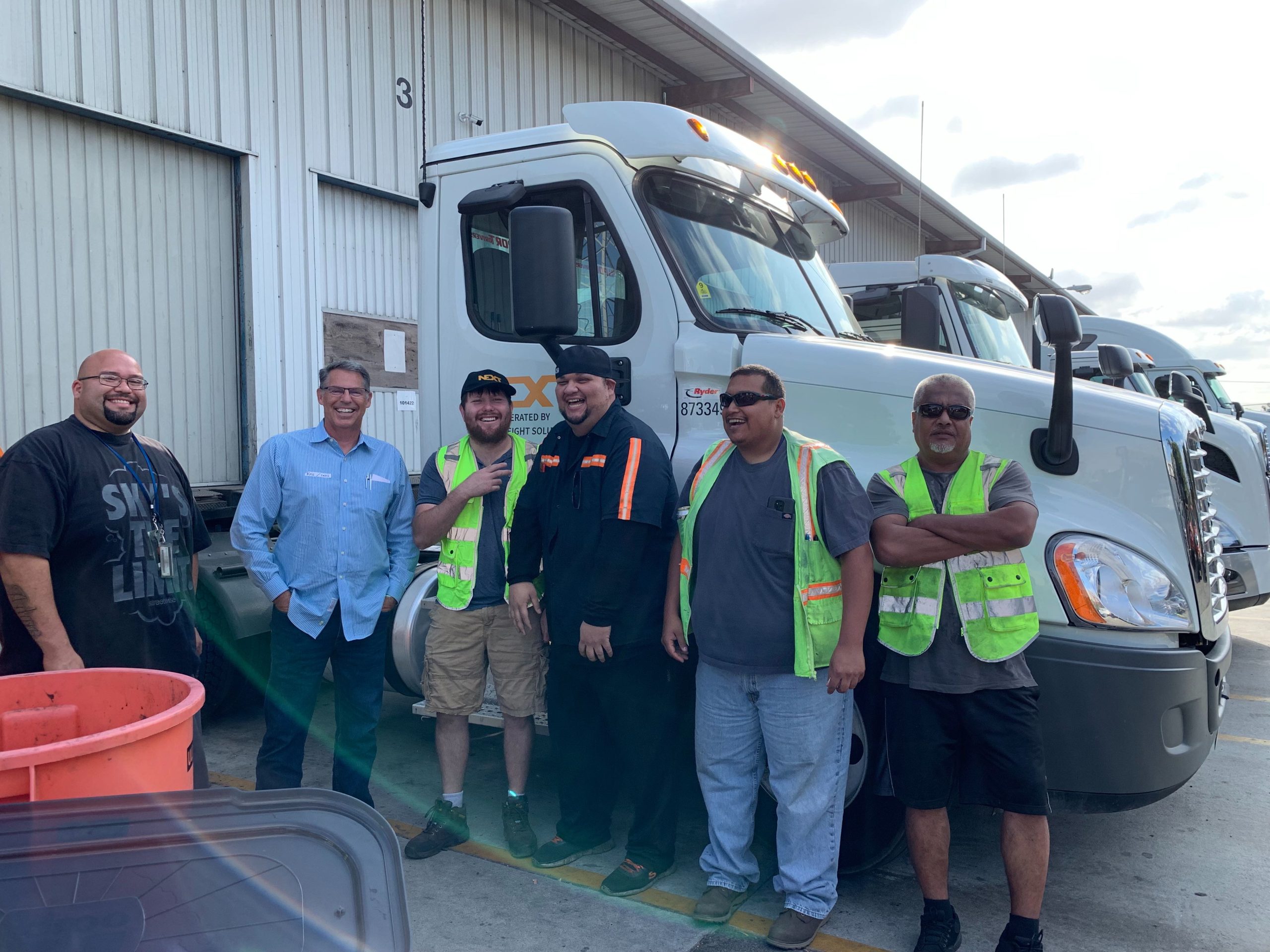
    For Taco Tuesday, we provided drivers at our Gardena yard and the Port of Long Beach free tacos!

    For “Win-It” Wednesday, we gave away flat screen TVs to some of our dedicated owner operators and asset drivers.

    On “Thank You” Thursday, we partnered with Harbor Truck Stop to offer $20 truck washes. NEXT team members also wrote personal thank you cards to drivers and asset drivers received their own business cards.

    To round out the week, on “Fill-It-Up” Friday, we again partnered with Harbor Truck Wash to offer drivers a gas discount and also provided drivers with NEXT backpacks.

    We’re incredibly proud of our trucking family and relished in this opportunity to show our appreciation. NEXT is working hard every day to create products and technology solutions that improve the lives of truckers and increase earning opportunities!


    IMG_5032


    Image from iOS (7)


    6627A065-9501-487A-9433-383DBA7AA2C8


    Image from iOS (12)


    Image from iOS (8)


    IMG_0798

    Image from iOS


    20190913_124718


    Image from iOS (6)


    Image from iOS (5)


  • No B.S. Answers To Your Most Asked Drayage Questions

    No B.S. Answers To Your Most Asked Drayage Questions

    Drayage and the entire supply chain industry are poised to enter an exciting new era fueled by digitization. A future of faster, cost-effective, improved efficiency is well within sight yet, many questions need addressing. We sat down with Weston LaBar, CEO of the Harbor Trucking Association, to get his straightforward answers to the questions those with a vested interest in drayage should be asking.

    What are three changes the drayage industry needs to be more efficient?

    First, the adoption of technology to allow complete system connectivity between supply chain stakeholders. Second, the integration of technology to maximize data collection and sharing without overloading old systems. Sharing of data will enable the entire ecosystem to become more predictive—preventing problems before they occur. Third, the infusion of artificial intelligence (AI) to further drive more intelligent and predictive action.

    Where and how will technology help the most?

    Technology’s impact will come from the ability to collect, standardize, and share data. The importance of data sharing can’t be stressed enough—it will help create the end to end visibility that’s currently lacking in the industry.

    Weston puts the irony in perspective, “If I know when someone is putting pepperoni on my pizza, and exactly the moment it will show up at my door, how can companies not know the whereabouts of their container with a half million dollars worth of goods?”

    We all have heard about trucks driving themselves. What will be the role of automation in drayage? Do drayage carriers need to worry about their jobs?

    Automation’s role in drayage appears limited—at least for now. Long haul routes are far better suited to automation, but even here commercialized driverless options are more than a decade away. Also, many future variations of vehicle automation will still require a driver present in the cab, so drayage drivers needn’t worry about job loss due to automation any time soon.

    Cvn9WhLWIAERazJ


    Life for drayage drivers isn’t easy—from strict ELD mandate enforcement to excessively crowded and congested ports it’s a daily struggle. Many drivers are leaving the industry. How can we curb this trend and make drayage trucking more appealing as a career?

    Regrettably, the drayage industry is laden with inefficiency that bog drivers down and curbs potential earning power. When drivers sit in congested ports, they lose money. When drivers have to wait for chassis to become available, and can only squeeze in two trips instead of three, they lose money.

    The industry needs to become more operationally efficient to allow drivers to do more driving and less waiting. Weston explains, “The biggest thing a trucker wants to do is get in their truck and drive. They don’t want to get in their truck and wait. As an industry, the easier we make it for them to maximize driving and minimize waiting, they will make more money, be happier, and continue to grow in their career.”

    As an industry, what can we do to help truckers maximize their Hours of Service (HOS)?

    With the traditional appointment system in today’s congested ports, many drivers get stuck waiting and fail to maximize their HOS. A more efficient hub and spoke “shuttle model” will shorten the travel distance for drivers. Shorter, more frequent runs will mean more valuable work hours moving freight rather than waiting for appointments. A shuttle model will help maximize HOS for carriers, move more freight, and increase the fluidity of the entire drayage ecosystem.

    What can truckers do today to help their bottom lines?

    In a word—incorporate. Carriers who work under corporate structure enjoy many financial perks. In addition to the tax breaks, these drivers enjoy complete autonomy in pursuing employment.

    Unlike drivers who receive a 1099 and must work a minimum of 120 days a year for one company under Federal regulations, those who incorporate are free to haul for the busiest shippers. Rather than being at the mercy of mandated commitments, incorporated drivers can stay busy following the work.

    Fees for street turns unjustly punish carriers for efficiency. Is there any way around these unfair penalties?

    Unfortunately not at this moment. As vastly misplaced as this cash grab is by ocean carriers, truckers will continue to feel the financial bite of added fees for their practicality.

    What can be done to help ease the current chassis shortage?

    Moving to a trucker choice model seems to be the best solution. The current system of equipment pools is antiquated and broken. It’s time to get the ocean carriers out of the chassis business and for truckers to shoulder this responsibility. Whether truckers buy or lease, they will be serviced 100% of the time when they supply the equipment.

    20150505-12.ports_.0510.jag_


    How will the drayage industry evolve in the next five years?

    The trend is shifting away from local and regional market emphasis toward a more national scope. The industry will continue to see consolidation with large national carriers looking to acquire strategic markets.

    There will also be a significant push toward technology, especially as a younger generation of operators come of age. Technology will increase stakeholder connectivity, sharing of valuable data, visibility, and efficiency throughout the drayage ecosystem.

    Weston injects humor when he explains the Harbor Trucking Association’s view.

    “We don’t support a no trucker left behind stance. We will advocate rewarding the rapid adopters, push for the best technology, and leave those who can’t or won’t change.”

    Which technologies will have the most significant impact on drayage?

    There will be a movement toward private LTE networks to advance connectivity between stakeholders. The days of marine terminals being black holes will mercifully end. The adoption of  API integrations will allow operating systems to speak to each other—increasing data sharing and visibility for shippers.

    The real excitement originates from the possibilities created by the infusion of artificial intelligence (AI) and machine learning (ML). These technologies will allow the drayage industry to become far more predictive—proactively identifying and addressing problems before they occur.


    trapac-1280x640

    What can shippers do to better prepare for the future? 

    Shippers can become better educated on how their procurement contracts impact logistics and overall supply chain proficiency. What may appear to be the best deal may end up costing far more in the end.

    Weston explains, “When I ask shippers how much their free chassis costs, I often get sideways looks, but then I mention the demurrage fees when they get stuck during an episode or peak season.”

    Shippers also need to scrap the “cheapest trucker is the best trucker” mindset. Everyone likes a bargain, but it’s crucial to view your carrier in light of a long term partnership. Do they bring the reliability, consistency, visibility, and technology to be a top-notch partner over time?

    What can truckers do to better prepare for the future?

    Embrace technology, embrace technology, and, did I mention embrace technology? Yes, it’s that important. Drayage is entering the digital age—early investors in technology can anticipate long term success, while those that blindly cling to outdated practices face a bleak future.

    Weston aptly sums it up, “Those drivers that cling to legacy systems won’t be capable of providing the advanced metrics and data that shippers want. Larger shippers want more data, and if you’re not capable of generating this data, you will struggle to get these contracts and, ultimately, stay in business.”
     

  • Trucking Is My Purpose: How one promise led Kevin Luke to success

    Trucking Is My Purpose: How one promise led Kevin Luke to success

    It wasn’t long ago that Kevin Luke didn’t know where his next meal would come from. Like so many who have fallen on hard times, Kevin and his wife found themselves homeless after their business was forced to close.

    “We lost everything. We were homeless and sleeping in the truck.”

    To understand how Kevin went from sleeping in his truck to running his own small fleet, you need to understand the promise he made to his grandfather.

    “I became a truck driver when my grandfather was dying from cancer. He was a truck driver for 30 years. As he was dying, he told me… Become a truck driver. It will take care of you. You’ll be able to take care of your kids.”

    Kevin promised his grandfather he would become a truck driver and at that point in time was making $8 hour working in a warehouse. He went to truck driving school and was soon making $80,000 a year driving someone else’s truck. When he met his wife, Nina they both shared the desire to become business owners and decided to open a tax franchise.

    Kevin left truck driving to run the business until they eventually had to close up shop. Determined to learn from failure, Kevin circled back to truck driving and the promise he’d made his grandfather.

    To purchase his first truck, Kevin drove for Uber and Lyft to save the $3000 he needed to buy it. From there, he drove 18-hours a day and put most of the money he made back into the maintenance and upkeep of the truck.

    next_Kevin-009

    Kevin admits the darkest days were when he and Nina were sleeping in the truck, trying to dig out from losing everything.

    “It was so painful, it felt like it was never going to end. Every day you’re trying and trying. It seemed like everything I tried to do, I kept getting set back. What pushed me was my grandfather. I promised him.”

    It was at this point that Kevin stumbled upon the NEXT app while searching for loads. He signed up and decided to give it a try.

    “Once I did my first load for NEXT, I was hooked.”

    The features he came to love most are the ease of use, lots of drop-and-hook and the quick turn options. After using NEXT for only a short time, he was able to greatly decrease his hours and double his income.

    “Before, I was driving 18-hour days just to make ends meet and now I’m able to pick up my kids from school and have more money in the bank. To be able to connect with my kids because NEXT gave me the freedom to do that and the money to be comfortable. It gave me a quality of life. I don’t have to do 18-hours anymore. My time is more important because it’s something I can’t get back. You can always make more money, but you can never get the time back.”

    After finding success with NEXT, Kevin was able to go from owner operator to starting his own small fleet. He’s been able to hire another driver and has plans to purchase two more trucks over the next year.

    More than financial gain, Kevin is thankful for the tough road of challenges he’s faced because it brought him to where he’s supposed to be.

    “Trucking is my purpose.”


  • Diversity and Inclusion at NEXT Trucking — Fundamental and Necessary to Growth

    Diversity and Inclusion at NEXT Trucking — Fundamental and Necessary to Growth

    At NEXT Trucking, we believe in the powers of diversity and inclusion.
    This is due as much to our core values as our commitment to taking part in a future accelerated and grown by technology. It’s why we’ve partnered with the Mayor of LA on the PledgeLA initiative, and it’s why we were recently recognized with a Stevie Award for women in business. NEXT Trucking was also named one of the Top Companies for Women to Work for in Transportation by Women in Trucking.

    But this commitment is not just about values and recognition — diversity is good for business.

    Here’s why:

    A diverse workforce brings a diversified talent set to your company and its business practices.

    Skills, expertise, experiences from a different perspective — all these things and more can combine to help your organization teach itself from the inside-out. This invariably translates to more growth and success for your business.

    Inclusion reduces fear of being seen as different, which optimizes performance.

    When a company creates an environment of inclusiveness, internally and in its public dealings, employees who may not fit the definition of the workforce or demographic majority — feel more comfortable and supported. This, in turn, greatly reduces the likelihood that such factors might slow down their growth and progress as individuals and contributors.

    It also keeps the door open for them to more freely share their own knowledge, which may come from a different perspective than others, adding to the likelihood of overall camaraderie and collaboration. Inclusion increases comfort across work groups and keeps up morale.

    Different language skills can open new opportunities.

    While language and cultural differences can sometimes cause a company some complications, once these are handled or worked through — entire new lines of business and communication can be opened, locally and globally.

    Beyond this, when clients (and prospective clients) across the world see themselves represented in your workforce, they’re more likely to feel comfortable and to relate to you. That is definitely an advantage to your sales funnel.


    Diversity introduces your business to more of the market.

    Arguments could be made that marketing and selling to various niches of consumers (including B2B buyers) has never been more work, or more fully doable with today’s technology. This being said, it nevertheless stands that you first need to intimately know — and be able to clearly communicate with — various niche groups, among your prospects and current customers or partners.

    When it comes to groups of consumers who come from different backgrounds, having members of those backgrounds within each wing of your operations — prepares you to more effectively recognize and pursue opportunities among them in your market.


    In conclusion, diversity wins.

    Don’t just take our word for it. The statistics don’t lie. When employees feel included, innovation increases by 83%. When a team is diverse, decision-making improves by 60%.

    And 35% of diverse companies (that’s us) outperform homogenous ones. Want to know more about how NEXT does it? Contact us.

  • 5 Free Apps To Improve Your Life On The Road

    5 Free Apps To Improve Your Life On The Road

    On the road your smartphone can be your best tool. With a variety of apps available on your device’s app store, your phone is a one stop shop for programs that can make your life on the road much easier. Here are 8 apps available on both iOS and Android to help you save time and money on the road for anything, including:

    Cheap Fuel: GasBuddy

    GasBuddy is already quite popular among drivers, and for good reason! The app shows the prices at gas stations near you so you can compare and find the best deal. Like the NEXT Trucking app, it also calculates how much fuel will cost over a trip you input. Better yet, the app also tells you what amenities each station has, such as convenience store or bathroom!

    Good Nutrition: Fooducate

    This app makes it super easy to shop for healthier food. By scanning a barcode, app users can see the nutrition information in simple language as well as a letter grade of the food’s nutritional value. The app can also be used as an intake, calorie and exercise tracker.

    Easy Exercise: Workout Trainer

    Need to do something other than just walk outside your truck for activity every day? Workout Trainer is the perfect app to keep yourself active and doing something different every day. There are tons of free workouts available and you can build your own workouts with the videos on the app. There is also a community of app users that post their own workouts that you can take inspiration from.

    Hotel Deals: HotelTonight

    If you need a place to stay on the road, HotelTonight is the best app to find last minute deals on hotels and motels. The app features daily deals that go live at noon and even has information on accommodations at each hotel, such as Wi-Fi and continental breakfasts.

    Local Entertainment: AroundMe

    When you are in different places every day, it can be hard to find things to do. AroundMe is a guide that aggregates information on attractions, movie times, and restaurants near. This all in one local guide will help drivers to easily find fun quickly even if you’ve never heard of the place you’re stopping before today!

  • Driver Shortage Still Critical Going Into Peak Season, According to ATA Data

    Driver Shortage Still Critical Going Into Peak Season, According to ATA Data

     Despite industry-wide efforts to decrease driver turnover with increased driver pay and benefits, the American Trucking Association (ATA) reported that annualized turnover for fleets and carriers with more than $30 million in revenue increased 6% to 94% in the first quarter of 2018.

    The Association’s quarterly Trucking Activity Report showed a 20% annual increase in driver turnover for the aforementioned fleets, which is shocking especially given that unemployment in America was last reported in April as being at 3.9%. One of the main pain points brought up in the report was the difficulty finding and retaining quality drivers, a problem that could seriously hamper the industry as a whole.

    The outlook was not bleak for all trucking segments, however – smaller truckload carriers experienced a 7% turnover rate drop to 73%. Though the rate is still high, the drop is promising to the abilities of small fleets to retain quality drivers. LTL carriers experienced a 2% increase in turnover rate, but with overall turnover reaching only 10%, LTL rates and retention should remain solid throughout the peak season.

    So what can shippers do to mediate the impact of the effect of the driver shortage on their peak season revenues? One is to keep in mind things to expect from this peak season so your team isn’t taken by surprise in what is sure to be a record-setting market. Another is to ensure your carriers have proper trainings and SOPs in place for pre-inspection for ELDs and cargo security. While drivers and carriers hold the power in the industry right now, these steps will definitely help shippers get some power back.

    Want to speak with one of our industry experts about this peak season? Contact them at the form below.