Author: admin

  • The Impact of Drayage Missteps: Costlier Than You Think

    The Impact of Drayage Missteps: Costlier Than You Think

    Just how important is getting it right in the first mile out of the port?

    For buyers, shippers, brokers, and carriers, drayage is a high-stakes balancing act of matching supply and demand with capacity.

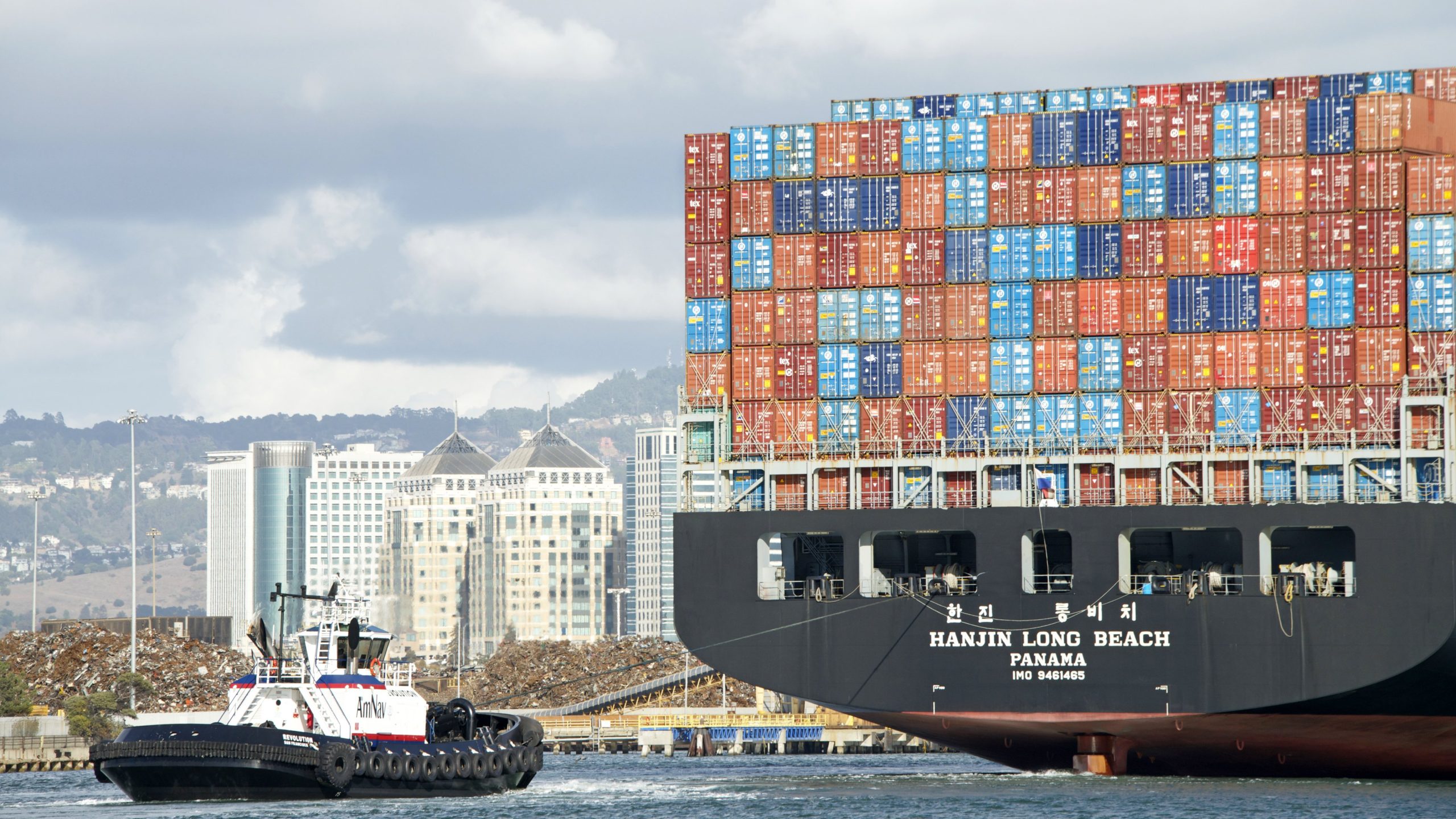
    Drayage is the moving of goods by truck from or to an ocean port from or to an inland port, warehouse, or intermodal terminal typically in the same metropolitan area. Successful transport relies on the syncing of many moving parts, and stiff penalties such as fines and fees can await shippers and carriers when they stumble. These costs hurt (especially for the smaller players) but the systemic impact can be far more significant.

    shutterstock_336461000


    Let’s explore some drayage mistakes and both the immediate and more profound costs of these blunders.


    WHEN SHIPPING GOES SIDEWAYS


    Inaccurate Forecasting

    For shippers, forecasting is critical to first-mile success, yet many continue to miss the mark. Accurate predictions are never easy, and the shifting trade landscape resulting from the US-China trade war has only made forecasting that much more difficult.


    When forecasts are off it can be abundance or scarcity—either drayage capacity sitting idle or loads never getting picked up. For example, in January of 2019, many drayage companies under forecasted their numbers resulting in more volume than predicted. In this scenario, loads sit, revenue and income shrink, and customer service suffers.


    The months following saw an overcorrection, with hyper-aggressive forecasted numbers resulting in drayage carriers sitting idle or going home and shippers often still responsible for footing the bill.


    Changing Delivery Instructions

    Remember the old saying about not changing the rules in the middle of the game? It never applied more than in the shipping industry. When shippers change delivery instructions such as rerouting the delivery to a different location, it can trigger a series of effects—none of which benefit drayage.


    The new destination often isn’t prepared for the unexpected volume—this can create added congestion, equipment shortages, and compromised efficiency. Carriers get stuck in long lines with extended unload time that can trigger detention fees for shippers. The extended unload fees for truckers can range from $30 to $50 per hour and $25 to $90 for equipment engaged over contracted time. If cargo sits, the shipper’s wallet takes another hit—demurrage fees range from $75 to $150 per container per day increasing over the stay.


    Rerouting also contributes to equipment dislocation and shortages (especially chassis) and can trigger “empty mile” trips. These dry runs can incur bobtail fees typically ranging from $200 to $400. With the estimated 65 billion empty miles per year truckers drive, it’s easy to see how expensive a change of plans can become.


    Changing routes and the resulting congestion costs carriers too—their income suffers as they aren’t able to make as many trips. Department of Transportation numbers indicate detention time is responsible for an estimated 1.1 to 1.3 billion dollars of lost trucker income annually.


    Failing to Prepare for Customs

    To err is human and mostly pardonable but to show up unprepared is, well, not. U.S. Customs requires a boatload (pardon the pun) of documents and forms for shippers including bonds, licenses, permits, certificates of origin, and commercial invoices. Many shippers bog down in Customs simply because they don’t have their paperwork in order.


    Inaccurate or incomplete paperwork brings at least an inconvenient delay—possibly resulting in missed appointments, late deliveries, and angry customers. Negligent documentation can incur fines up to four times the duty or 40% of cargo’s value. If fraud is proven, the entire load can be seized or fines up to full value of the shipment levied.


    shutterstock_1220052922


    WHEN TRUCKERS GET IT WRONG

    As challenging as the first mile is for shippers, it can be just as daunting for carriers, especially since strict ELD enforcement went into effect. Ah yes—that ELD mandate.


    Failing to Plan for Hours of Service Restrictions

    For carriers, planning their work schedules is vastly more difficult in today’s landscape of strict ELD enforcement. Many are failing to plan or miscalculating their hours of service (HOS) and getting stuck with two choices. Neither is desirable but both preferable to paying the stout fines for HOS violations which can range from $1000 to $10,000 with the average penalty being $2,867.


    Drayage carriers approaching their HOS limit can choose to park the load, go off duty for the required ten hours of rest, then resume their journey. This option dramatically increases transit time, often resulting in missed appointments and late deliveries. A second option is dropping the load for another carrier and thus incurring added operational cost for the shipper as well as the fallout from late delivery.


    Going on AutoPilot

    This phenomenon is especially prevalent if a trucker is familiar with the lane and customer—human nature takes over, and the routine details of a delivery shift to auto-pilot. When critical instructions such as delivery window, door dock, or location inevitably change the results can be chaotic. Ultimately, the system bogs down and revenue, income, and customer service all take a hit.


    Lacking Transparency

    Drayage succeeds or fails based on clear, consistent, and accurate lines of communication between all moving parts. Unfortunately, many carriers today fail to maintain transparency regarding their location, capacity, and schedule.


    When carriers go dark complexities mount for shippers and brokers as they no longer have access to the information they need to match supply and demand with capacity. Kind of like trying to play chess blindfolded, they are left guessing, and the entire drayage ecosystem suffers.


    PARTING THOUGHTS

    When mistakes occur in the first mile, the shockwaves are felt by all in this tightly woven industry. Shipper missteps impact carriers—and vice versa. The cost of fines and fees sting at the moment, but the real impact of first mile blunders penetrates far deeper. Drayage miscues result in systemic inefficiency—dislocated equipment, idle carriers, and undelivered freight. Shippers lose revenue and reputation, carriers lose income, customer service plummets, and these are the costs nobody can afford.
  • What Is Drayage And Why Is It Important?

    What Is Drayage And Why Is It Important?

    If you were to poll a group of people on what the word “Drayage” means, you might get five different definitions. How can one of the most important steps in the supply chain and a vital component of the global trade market cause so much confusion? Let’s break it down:

    What is Drayage?

    By definition, drayage is the transport of freight from an ocean port to a destination. It’s also often described as the process of transporting goods over short distances, aka “The first mile.” Now, you may be thinking, what’s the big deal? Surely the first mile can’t be that complicated.

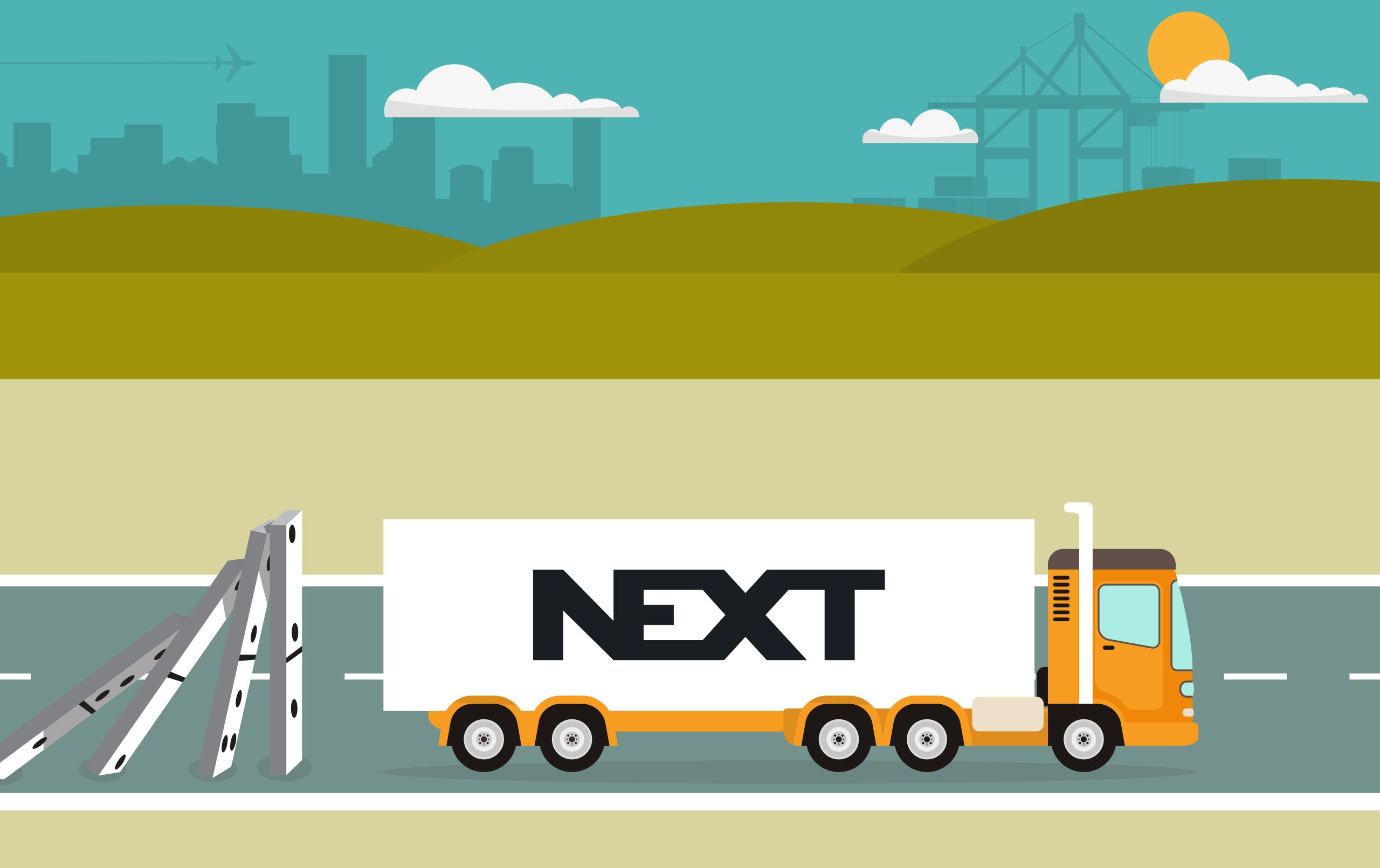
    Think of it like this: One container’s journey from ship-to-shelf (or final destination) is akin to a row of dominoes. Drayage is the first domino to fall. If the first domino doesn’t fall correctly, it affects the entire row.


    Dominoes_Official-01

    While the term drayage specifically refers to short distance movements as part of the supply chain process, the term is mainly used by the container shipping industry. Drayage loads typically have departure and arrival points in the same metropolitan area and do not focus on long haul or national movements.

    Because a drayage load can have many connotations, there tends to be confusion among carriers on how to classify it. Many carriers simply equate “drayage” with having to go into a port, which isn’t always the case. While all drayage loads tend to originate at a port of entry, there can be several legs of a drayage load (port, yard, warehouse, rail) before the container arrives at its final destination.

    While drayage may seem like a small step of the process, it’s an integral part of the logistics industry and vital to the overall supply chain management process across the United States. That two-day shipping you love — where you press a button on your computer or app and something magically shows up at your door two days (sometimes faster) later… Drayage plays a huge part in that. In fact, “the first mile” sets the tone for the entire journey from ship to shelf.

    Why is Drayage so important?

    There are several large ports across the United States from Seattle, NY, NJ, Georgia, Oakland, Houston and Miami. That said, over one quarter of the total container trade in North America travels through the ports of Long Beach and Los Angeles. Annual trade movement at the Long Beach Port alone is valued at $194 billion annually.

    Combined, the San Pedro Bay Complex (LA + Long Beach) make up 32% of the nation’s market share and 73% of the west coast.

    Finished Infographic-01

    As the gateway to the Asia trade market, the San Pedro Bay Complex is crucial when it comes to drayage. The LA drayage marketplace is a $60B a year industry.

    With that amount of money on the line in a given year, it’s somewhat surprising that congestion and inefficiencies are still huge problems at the ports. It’s generally known that major delays, driver frustration, financial penalties and missed deadlines are key factors and pain points in dealing with drayage loads. Some contributing factors are lack of chassis, not enough carriers and overwhelmed terminals that simply can’t keep up with demand.

    Peak season can also cause major delays and problems at the ports. August through December leading up to the holidays tends to be the busiest time of year for massive backlogs of ships and delayed containers.

    NEXT CEO, Lidia Yan knows the challenges all too well.

    “If you go to Silicon Valley, nobody knows what drayage is. If you go to Wall Street, no one has ever heard of drayage. It’s our job to tell them how important drayage is – how important the first mile is. 30% of inbound freight comes into this city and the 36,000 warehouses here. This is the core of the economy. If the LA ports don’t move, we don’t have any clothes to wear, food to eat, raw materials to use.”

    However daunting the process may seem, where challenges exist, so do opportunities for solutions.

    “We need to automate the ports, because they are not automated right now. At NEXT, we’re building the first drayage solution in the world.”


  • Trucking Is My Purpose: How one promise led Kevin Luke to success

    Trucking Is My Purpose: How one promise led Kevin Luke to success

    It wasn’t long ago that Kevin Luke didn’t know where his next meal would come from. Like so many who have fallen on hard times, Kevin and his wife found themselves homeless after their business was forced to close.

    “We lost everything. We were homeless and sleeping in the truck.”

    To understand how Kevin went from sleeping in his truck to running his own small fleet, you need to understand the promise he made to his grandfather.

    “I became a truck driver when my grandfather was dying from cancer. He was a truck driver for 30 years. As he was dying, he told me… Become a truck driver. It will take care of you. You’ll be able to take care of your kids.”

    Kevin promised his grandfather he would become a truck driver and at that point in time was making $8 hour working in a warehouse. He went to truck driving school and was soon making $80,000 a year driving someone else’s truck. When he met his wife, Nina they both shared the desire to become business owners and decided to open a tax franchise.

    Kevin left truck driving to run the business until they eventually had to close up shop. Determined to learn from failure, Kevin circled back to truck driving and the promise he’d made his grandfather.

    To purchase his first truck, Kevin drove for Uber and Lyft to save the $3000 he needed to buy it. From there, he drove 18-hours a day and put most of the money he made back into the maintenance and upkeep of the truck.

    next_Kevin-009

    Kevin admits the darkest days were when he and Nina were sleeping in the truck, trying to dig out from losing everything.

    “It was so painful, it felt like it was never going to end. Every day you’re trying and trying. It seemed like everything I tried to do, I kept getting set back. What pushed me was my grandfather. I promised him.”

    It was at this point that Kevin stumbled upon the NEXT app while searching for loads. He signed up and decided to give it a try.

    “Once I did my first load for NEXT, I was hooked.”

    The features he came to love most are the ease of use, lots of drop-and-hook and the quick turn options. After using NEXT for only a short time, he was able to greatly decrease his hours and double his income.

    “Before, I was driving 18-hour days just to make ends meet and now I’m able to pick up my kids from school and have more money in the bank. To be able to connect with my kids because NEXT gave me the freedom to do that and the money to be comfortable. It gave me a quality of life. I don’t have to do 18-hours anymore. My time is more important because it’s something I can’t get back. You can always make more money, but you can never get the time back.”

    After finding success with NEXT, Kevin was able to go from owner operator to starting his own small fleet. He’s been able to hire another driver and has plans to purchase two more trucks over the next year.

    More than financial gain, Kevin is thankful for the tough road of challenges he’s faced because it brought him to where he’s supposed to be.

    “Trucking is my purpose.”


  • NEXT Raises $97M in Series C Funding

    NEXT Raises $97M in Series C Funding

    NEXT Raises $97 Million to Drive the Future of Logistics Forward

    NEXT unveils Relay, a new drayage service aimed at streamlining our nation’s busiest ports while enabling truckers to earn more

    Lynwood, CA–January 23, 2019– NEXT, the technology company that connects shippers and carriers to meet today’s growing transportation demands, announced today that is has secured $97 million in a series C round of financing led by Brookfield Ventures, with participation from Sequoia Capital, GLP, and others, bringing NEXT’s total capital raised to more than $125 million.

    “The logistics space is under more pressure than ever before – with more shipments coming into our ports than drivers and warehouses have the capacity to manage,” said Lidia Yan, CEO at NEXT. “We look forward to bringing new innovations to market to address this issue head on and growing our team with the best and brightest technology talent in Southern California.”

    NEXT will use the funds to accelerate product innovation and launch Relay, a new service designed to address the systemic congestion at shipping ports like the ports of Los Angeles and Long Beach, which account for more than 30% of all U.S. imports. Relay is designed to bring efficiency and expanded capacity for drayage, the process of moving goods from ports to a shipper’s warehouse. By combining NEXT’s virtual fleet and freight marketplace with owned yards, Relay effectively increases the number of trips that trucks can make to and from port, resulting in faster deliveries for shippers and greater earning potential for drivers.

    Relay is currently live at NEXT’s Gardena, CA facility and has already seen early success in pilot. With Relay, drayage drivers increase earnings by up to 20 percent, while local over-the-road (OTR) drivers increase earnings by up to 50 percent. On the supplier side, NEXT customers have seen 167 percent more containers pulled per truck.

    In addition to the new Relay service, NEXT will leverage the funds from this round to expand their technology, operations, and sales teams and expects to open more than 150 new positions in 2019.

    “As the owners of 37 ports worldwide and the first fully automated terminal operator at the Port of Los Angeles, Brookfield knows first-hand the unique and complex challenges impacting the transportation and logistics sectors,” said Josh Raffaelli, Managing Director at Brookfield Ventures. “We are excited to partner with NEXT and are confident that its differentiated technology, strong customer base, and proven execution will enable the company to advance its position as a true innovator in this critical area. We are eager to work with NEXT’s talented management team and identify new areas of growth.”

    “NEXT continues to address the critical issues that face logistics management in the US- from the nationwide driver shortage to congestion and operations at our busiest ports,” said Omar Hamoui, partner at Sequoia. “We’ve been impressed with NEXT’s ability to execute, and the introduction of Relay proves they have the team and expertise to continue innovating in ways that will ease the pain points of carriers and shippers. We’re thrilled to continue our partnership with NEXT as they enter this next phase of growth.”

    To learn more about NEXT, visit www.nexttrucking.com.

    About NEXT

    NEXT is a technology company that connects shippers and carriers to meet today’s growing transportation demands. With smart matching and predictive load technologies, NEXT matches truck drivers with capacity to available loads, streamlining the process and providing drivers with full control over their careers. With the best talent from both the technology and logistics industries, NEXT is developing innovative solutions to solve today’s biggest transportation challenges.

    About Brookfield Ventures

    Brookfield Ventures is the technology investing arm of Brookfield Asset Management. Founded in 2017, Brookfield Ventures seeks to partner and invest growth equity into market leading technology companies that can leverage the diverse real assets and operating businesses that make up the $330+ billion Brookfield economy.


  • How Business Leaders in Logistics Can Improve Efficiency and Results

    How Business Leaders in Logistics Can Improve Efficiency and Results

    It’s a new year, which inevitably means change. Further, when it comes to the often-lagging logistics industry, change can be a very good thing.

    Soon, in fact, change may be crucial to survival — if it isn’t already. But, for today, we’re sharing some insights into how a particular (now common) form of change can help you improve efficiency and results, as you keep on shipping into the future.

    We’re talking about technology. Obviously we are fans of technology.

    As creators of the NEXT app, we believe in the power of tech to improve and speed up supply chain flow and maximize profit. If we didn’t believe this so strongly, we wouldn’t be here grinding into the new year, set on helping you bring tomorrow’s solutions to today’s steady demand for freight — and growing demands in e-commerce.

    But why should you turn your tried-and-true systems of work over to new technologies?

    We’re glad you (we) asked that.

    Here are some lessons we’ve researched and absorbed, from companies across industries.


    1. It’s about speed.

    Remember Kodak? They’re still around, but it’s been a long time since the brand was associated with its once-dominant market position in photography.

    In 1976, Kodak was responsible for up to 85% of camera sales and 90% of film sales in the US. By 2010, their market share for cameras had shrunk to 7%, largely due to the company’s failure to shift to digital cameras, which they invented — and then shelved in 1975, out of fear of eating into film sales. So, instead of transitioning their own revenue to a new product line, competitors ate steadily into their market share instead.

    You may think that logistics and photography are two different beasts, but consider that the failure of Kodak to adapt to changes in an industry they helped create, not to mention their active resistance to the sort of technological innovation that is rarely, if ever, stopped.

    Here’s the silver lining — despite these steep drop-offs in their core business areas, Kodak survived bankruptcy, by re-organizing and rebranding themselves as a technology company.

    Shippers, fleet managers, and owner operators who embrace the change (and speed) of new technologies (like the NEXT Trucking app) can avoid making a business mistake like Kodak’s.

    Technology often (always?) moves on, faster than before, whether we accept it or not. Some of today’s smartest business leaders acknowledge this, and take advantage of the change to increase capacity and demand, explore new opportunities, and adapt to an ever-shifting market.

    Is it smart to test new technologies first, and to do your homework before adopting them across the board? Certainly. But this still requires that you start, and that you continue to observe your markets closely enough to ensure you aren’t allowing yourself to fall behind, if you’re slow to adopt.


    2. It’s also about quality.

    Okay, last example about cameras, we promise (although NEXT does ship a lot of electronics).

    Consider an opposite example from Kodak.

    Arri is a motion picture film equipment manufacturer that opened for business in Germany over 100 years ago.

    Guess which company sells one of the single most popular digital film cameras in use by Hollywood and filmmakers all over the world, today?

    It’s Arri.

    Known for years as one of the top sellers of old-school, sprocket-loaded analog film cameras, Arri saw the writing on the wall and released its Alexa digital model in 2010, and the product quickly became an industry standard. Arri’s embrace of technology belies an acceptance on the part of leadership of the inevitability of change.

    The point is this — with technology, speed no longer has to come at a sacrifice to quality (more on this in a second). Not only was Arri’s strong reputation and significant market position maintained as it embraced tech and evolved as a company, it has grown since the triumph of the Alexa. Success is the best press.

    In logistics, as in nearly every industry these days, the imperative to reassess our previous or current ways of doing things is the same.

    Perhaps you’re not still depending on paper invoices, PODs, or BOLs — but are you leaning on an old computer system that’s expensive to maintain (in direct costs and lost productivity) and much slower than newer options available? Even if you are generally happy with it, are you sure your system is providing as much efficiency as possible? Is there an important task it helps you complete that you feel should be easier by now? Chances are, it has been made easier, through some new technological advancement.

    With a solution like the NEXT app, you can step immediately into the future, just like Arri did — often while integrating your current systems along the way. That increased ease? It gives you some of your time back, that you can use to grow.


    3. It’s about doing the impossible (delivering speed and quality, at reasonable cost).

    Or what used to be impossible.

    You might be familiar with the old adage in labor and customer service:

    You can have quality. You can have speed. You can save on cost. But you can only have two out of the three.

    We’d argue that this is changing, that now it is possible to get quality work done, quickly, at a cost that’s reasonable to business and, crucially, that’s repeatable and/or scalable to the point of increased profit.

    Here’s a much more familiar example of this type of success: Amazon.

    How did Amazon become the e-commerce behemoth it is today? Mostly, they did it by promising speed and convenience, at costs that consumers found attractive — including in terms of time saved, as an increasing number of items shipped straight to their home.

    Perhaps your business is already known for speed. It would stand to reason. Probably you’re just as proud of the quality service that you offer. Maybe your prices are even competitive.

    But when was the last time you took stock of your offerings, and asked yourself if your workflows could be improved?

    In today’s economy, even a 1% increase in profit, productivity, or sales volume, can make a world of difference, as you continue to engage opportunities and serve your clients and customers. And that 1% can have a compound effect, especially as you continue to try new things.


    4. It’s about tomorrow.

    By now, it has probably become clear to you that we have our eye on the future, and that we believe you should, too.

    Consider the pervasive shortage of quality, available truck drivers in our industry, which is not expected to end anytime soon.

    Do you want to be caught without a solution to this growing problem?

    We come from trucking stock, and, when we saw the world changing fast, we didn’t want our families, partners, and customers to buckle under the pressure of logistical challenges like this. That’s why we created NEXT, in the first place. We’ve said it before (even in this post), and we’ll say it over and over again.

    The future is coming. Be ready.


    5. It’s about results.

    We’ll leave you by repeating yet another old adage: Numbers don’t lie.

    How are you performing, against competitors? How are you handling the increased demand for e-commerce, the driver shortage, the new challenges introduced by the latest legislation?

    Are your operations optimized — to the fullest? Do your results show an understanding of what’s NEXT in trucking and logistics?

    It’s probably a good idea to find out. What better opportunity is there than the arrival of a new year? Good luck and best wishes in 2019!

  • Diversity and Inclusion at NEXT Trucking — Fundamental and Necessary to Growth

    Diversity and Inclusion at NEXT Trucking — Fundamental and Necessary to Growth

    At NEXT Trucking, we believe in the powers of diversity and inclusion.
    This is due as much to our core values as our commitment to taking part in a future accelerated and grown by technology. It’s why we’ve partnered with the Mayor of LA on the PledgeLA initiative, and it’s why we were recently recognized with a Stevie Award for women in business. NEXT Trucking was also named one of the Top Companies for Women to Work for in Transportation by Women in Trucking.

    But this commitment is not just about values and recognition — diversity is good for business.

    Here’s why:

    A diverse workforce brings a diversified talent set to your company and its business practices.

    Skills, expertise, experiences from a different perspective — all these things and more can combine to help your organization teach itself from the inside-out. This invariably translates to more growth and success for your business.

    Inclusion reduces fear of being seen as different, which optimizes performance.

    When a company creates an environment of inclusiveness, internally and in its public dealings, employees who may not fit the definition of the workforce or demographic majority — feel more comfortable and supported. This, in turn, greatly reduces the likelihood that such factors might slow down their growth and progress as individuals and contributors.

    It also keeps the door open for them to more freely share their own knowledge, which may come from a different perspective than others, adding to the likelihood of overall camaraderie and collaboration. Inclusion increases comfort across work groups and keeps up morale.

    Different language skills can open new opportunities.

    While language and cultural differences can sometimes cause a company some complications, once these are handled or worked through — entire new lines of business and communication can be opened, locally and globally.

    Beyond this, when clients (and prospective clients) across the world see themselves represented in your workforce, they’re more likely to feel comfortable and to relate to you. That is definitely an advantage to your sales funnel.


    Diversity introduces your business to more of the market.

    Arguments could be made that marketing and selling to various niches of consumers (including B2B buyers) has never been more work, or more fully doable with today’s technology. This being said, it nevertheless stands that you first need to intimately know — and be able to clearly communicate with — various niche groups, among your prospects and current customers or partners.

    When it comes to groups of consumers who come from different backgrounds, having members of those backgrounds within each wing of your operations — prepares you to more effectively recognize and pursue opportunities among them in your market.


    In conclusion, diversity wins.

    Don’t just take our word for it. The statistics don’t lie. When employees feel included, innovation increases by 83%. When a team is diverse, decision-making improves by 60%.

    And 35% of diverse companies (that’s us) outperform homogenous ones. Want to know more about how NEXT does it? Contact us.

  • How to Optimize Logistics for The Holiday Rush

    How to Optimize Logistics for The Holiday Rush

    The holidays are a big boon to business. Shippers, carriers, dispatchers — all of us end up with almost more work than we can handle, to keep up with demand and the higher frequency and volume coming from all sorts of retail (and other) clients.


    But in the midst of all this abundance, are some of us leaving money on the table?


    Technology is always changing the way we do business. In terms of logistics, it’s never been easier to speed up administration and even delivery.


    At the same time, it’s not as simple as “letting the computer do it”. In addition to having the right technological partners — with real experts behind the controls (*cough* NEXT Trucking *cough*) — the savvy shipper/carrier/dispatcher needs to adapt to the changing marketplace.


    Here are some tips on how to do that this holiday season. Considering or implementing just a few of them can help you further optimize your business and attract every available dollar in the coming weeks.


    Be prepared for inventory management slowdowns


    Many of the inventory management issues that can often crop up during the holidays may be outside your control. The more you can help overstressed warehouse and fulfillment staff, or other freight partners, the more you’re be appreciated and looked to in the future as a problem solver. Short sales windows, high demand, and sometimes long vendor lead times can compound this problem. Consider: Given this problem, how can you be part of the solution?


    Remember that all business is customer service


    Loyalty and long-term relationships arrive when you and your business prove that you care about your part in the shipping process — imagine how true this could be if you prove yourself helpful, dependable, and cool-under-pressure during the holiday crunch?


    Fair or not, it can take just one bad experience to severely damage your industry reputation. Everyone gets exhausted during the holidays, and sometimes mistakes are made. You don’t have to be perfect, but you do want to remain polite and respectful, and you want to continue to show that you’re ready to work together with partners.


    Finally, the holidays are all about timing. What can you do on your end, to ensure that you can handle increased volume and remain on time? Can anything be planned ahead, that you wouldn’t normally do outside the holiday rush?


    Use data to speed up, and to excel


    While raw data itself can be useful on the highest level, these days there are also so many specific means by which to analyze your markets, routes, and the results of your work. When was the last time you looked into incorporating a new analytics tool, to help teach you something new about your business? Is there some data-collection solution you can turn to now, to provide information that can help you optimize for next year’s holiday rush? Are you researching the holiday market from year to year, so that you can compare your capabilities to competitors — or use your stats as a selling point to customers?


    Keep up with the times, or risk becoming obsolete


    There’s a reason we started NEXT Trucking. We saw an opportunity to help people like you get freight to more places, faster, and in a way that helps everyone improve efficiency and save time and money (that can be reinvested elsewhere, incidentally).


    With our app, you can:

    • Schedule shipments via a network of +15,000 carriers
    • Track shipments in real time
    • Guarantee capacity
    • Speed up cash flow
    • (and more).


    All this can be done from the smartphone you already carry. We’re here for you all the time — but especially during the mad dash of the holiday season.


    Check that you’re ready, and get ahead if you can


    Have you done as much prep as you could do ahead of time, to position yourself to absorb the rush? What could be planned that you might not have thought of already? Are you adequately staffed? If you aren’t, do you have a ready pipeline of additional workers to ensure your shipments don’t fall behind? Is your truck or fleet ready for harsher weather and more traffic? How strong are your lines of communication, between all parties responsible for the delivery of your work?


    Speaking of communication, get started now (if you haven’t already)


    With all of the above and below to consider, it can be easy to forget that we’re all human beings with real physical and emotional needs — including the needs to be appreciated and to be kept motivated. A little bit of pre-communication about the coming rush, to repeat information (so that it sticks) but also to help rally the troops, might seem unnecessary. But a strategy like this can go a long way towards keeping up morale when things get busy and exhaustion starts to set in.


    Keep your calendar up-to-date, and know the trends


    Do you know the holiday schedules for your partners, for vendors, and any other organizations you might encounter this season? Black Friday and Cyber Monday usually extend for a week or more, these days.


    On a similar note, peak holiday shopping times (and thus much of holiday business) are actually somewhat predictable. Patterns often mimic last year’s numbers, and there’s more consistency from week to week than you might imagine. How might you exploit this predictability to get ahead this year?


    Automate, automate, update


    Automation is the name of the game these days. In addition to what’s offered by NEXT, what else might you do to stay nimble, and pivot quickly, when plans change and planned strategies inevitably run out of road. Are your devices updated, secure, and in working order?


    In Conclusion


    Finally, remember that it can be a good thing to run out of inventory, or to take on new loads or explore new opportunities, at a time wherein partner organizations and customers need as much help as they can get.


    Once again, optimization becomes a process of visualization, planning, and positioning yourself as a problem solver, and as a provider of dependable service.


    Happy Trucking Holidays! Good luck, and safe driving.

  • 5 Free Apps To Improve Your Life On The Road

    5 Free Apps To Improve Your Life On The Road

    On the road your smartphone can be your best tool. With a variety of apps available on your device’s app store, your phone is a one stop shop for programs that can make your life on the road much easier. Here are 8 apps available on both iOS and Android to help you save time and money on the road for anything, including:

    Cheap Fuel: GasBuddy

    GasBuddy is already quite popular among drivers, and for good reason! The app shows the prices at gas stations near you so you can compare and find the best deal. Like the NEXT Trucking app, it also calculates how much fuel will cost over a trip you input. Better yet, the app also tells you what amenities each station has, such as convenience store or bathroom!

    Good Nutrition: Fooducate

    This app makes it super easy to shop for healthier food. By scanning a barcode, app users can see the nutrition information in simple language as well as a letter grade of the food’s nutritional value. The app can also be used as an intake, calorie and exercise tracker.

    Easy Exercise: Workout Trainer

    Need to do something other than just walk outside your truck for activity every day? Workout Trainer is the perfect app to keep yourself active and doing something different every day. There are tons of free workouts available and you can build your own workouts with the videos on the app. There is also a community of app users that post their own workouts that you can take inspiration from.

    Hotel Deals: HotelTonight

    If you need a place to stay on the road, HotelTonight is the best app to find last minute deals on hotels and motels. The app features daily deals that go live at noon and even has information on accommodations at each hotel, such as Wi-Fi and continental breakfasts.

    Local Entertainment: AroundMe

    When you are in different places every day, it can be hard to find things to do. AroundMe is a guide that aggregates information on attractions, movie times, and restaurants near. This all in one local guide will help drivers to easily find fun quickly even if you’ve never heard of the place you’re stopping before today!

  • Driver Shortage Still Critical Going Into Peak Season, According to ATA Data

    Driver Shortage Still Critical Going Into Peak Season, According to ATA Data

     Despite industry-wide efforts to decrease driver turnover with increased driver pay and benefits, the American Trucking Association (ATA) reported that annualized turnover for fleets and carriers with more than $30 million in revenue increased 6% to 94% in the first quarter of 2018.

    The Association’s quarterly Trucking Activity Report showed a 20% annual increase in driver turnover for the aforementioned fleets, which is shocking especially given that unemployment in America was last reported in April as being at 3.9%. One of the main pain points brought up in the report was the difficulty finding and retaining quality drivers, a problem that could seriously hamper the industry as a whole.

    The outlook was not bleak for all trucking segments, however – smaller truckload carriers experienced a 7% turnover rate drop to 73%. Though the rate is still high, the drop is promising to the abilities of small fleets to retain quality drivers. LTL carriers experienced a 2% increase in turnover rate, but with overall turnover reaching only 10%, LTL rates and retention should remain solid throughout the peak season.

    So what can shippers do to mediate the impact of the effect of the driver shortage on their peak season revenues? One is to keep in mind things to expect from this peak season so your team isn’t taken by surprise in what is sure to be a record-setting market. Another is to ensure your carriers have proper trainings and SOPs in place for pre-inspection for ELDs and cargo security. While drivers and carriers hold the power in the industry right now, these steps will definitely help shippers get some power back.

    Want to speak with one of our industry experts about this peak season? Contact them at the form below.

  • Three Things to Expect from the Busy Season Under the ELD Mandate

    Three Things to Expect from the Busy Season Under the ELD Mandate

    The busy summer season is typically a mixed bag for shippers. Although revenue and cash flow are at best starting in the summer months, the higher temperatures also bring higher rates and higher demand which can cause supply chain professionals plenty of headache.

    But with the booming economy, stricter hours of service enforcement through ELDs, and the ongoing driver shortage, this busy season could be much more hectic than ever. Here are 3 things to expect from this year’s busy season.

    1. There will be even more sticker shock. Rates are always expected to be high during the busy season but all of the aforementioned factors will cause the spot market to be higher than anticipated. Try to lock in dedicated rates and lanes if you can, but expect extremely high rates if you have to hit the spot market.
    2. Drivers won’t be able to do as much. The stricter hours of service enforcement means drivers won’t be able to do as much as they were able to in the past, so keep that in mind when giving quotes or expected delivery dates. Work with your customers as well to manage expectations for this busy season and be transparent with your company’s capabilities.
    3. Independent owner operators and small fleets will be pickier. With all of the demand coming their way, drivers have more power than ever. Make yourself appealing as a preferred shipper – give drivers parking, start trying to improve your loading and unloading times so drivers don’t have to sit waiting at the docks all day, and increase your rates. At the end of the day, drivers will return to work with shippers who treat them well, improving your capacity during this busy season.

    This busy season will certainly test shippers’ capabilities (and patience), but it will help logistics teams become smarter shippers and guide them to improve their supply chains for the next busy season.