Category: Shipper Spotlight

  • LINK2020: The Retail Supply Chain Conference

    LINK2020: The Retail Supply Chain Conference

    NEXT was in attendance for the The Retail Industry Leaders Association (RILA) event in Dallas, Texas. The event attracts a large number of Retail supply chain executives looking for solutions to maximize efficiency and increase ROI.

    For two days, top executives in retail participate in roundtables, panels and network to discover the latest industry trends and insights.

    Some of the best moments from LINK2020 came from keynote speakers such as Nancy Giordano (CEO, Play Big Inc.) who spoke on Navigating the Big Shift in Tech, Society, and Supply Chain. Giordano zeroed in and two key factors:

    • The impact of Gen Z on previous generations of consumer behavior
    • The value of social impact/sustainability in company brand and culture

    Another keynote highlight came from Chip Bergh (CEO, Levi’s) – on Enterprises developing additional revenue streams and growing with changing culture. These presentations we both part of a larger trend in showing how supply chain will be impacted by tech and new societal norms. Bergh highlighted these areas:

    • Gen Z has changed behavior from consumerism to sustainability (profits through principles)
    • Gen Z is requiring companies like LEVI’s to develop additional revenue streams (clothing alterations and subscriptions vs. traditional retail or online shopping)
    • Enterprises are opening internal incubators/innovation labs instead of outsourcing to wholesalers, big tech, etc.

    Given the current news, a hot button issue everyone was discussing is the how the current coronavirus outbreak will continue to affect the global supply chain. Many industry executives are asking how will the outbreak affect consumers and how can the retail and supply chain industry develop a strategy around coronavirus? Only time will tell as to how much impact the outbreak will have on retail heading into spring and peak season.

  • NEXT Hosts Japan America Society

    NEXT Hosts Japan America Society

    NEXT recently had the privilege of hosting members from the Japan America Society of Southern California for an evening of sushi, sake and an insightful panel discussion on Supply Chain Visibility.

    C0195.00_00_35_19.Still006


    C0195.00_00_08_22.Still005


    Moderated by Nancy Hiromoto, VP of N.F. Stroth & Associates — the panelists included experts from different factions of the logistics industry:

    Bobby Napiltonia, Chief Revenue Officer, NEXT Trucking

    Tracy Burdine, Director of Client Services, Yusen Terminals

    Daniel Goldstein, General Manager, Yamamotoyama U.S.A. (Founded in Tokyo in 1690, Yamamotoyama is the oldest tea company.)


    Image from iOS (3)-1


    The discussion covered several topics on current issues facing the industry from technology & data integrations NEXT is spearheading, to how these advances are helping port drivers earn more money on the NEXT platform.

    “We have a goal that every trucker can make $1000 a day in our marketplace,” said Napiltonia. “We feel by changing from the bottom up, the truckers that transport goods to folks like yourself will have better experiences in terms of on-time deliveries and without a scratch.”

    Tracy Burdine addressed how the tariff wars are impacting overall changes to terminal business.

    “We saw a 7% drop in volume last year, but more importantly, we saw a shift in peak. Usually our busiest month is January, but last year it was August, which usually isn’t the case. Everyone had to be agile and make sure they were ready to deliver.”

    When asked what is seen as the biggest challenge facing the shipping industry in 2020, Napiltonia pinpointed it directly.

    “Shipping will always face challenges because of weather and other unforeseen circumstances, but the biggest challenge today is change. The industry has not really changed in hundreds of years. At NEXT, we look at it like shipping was in black & white television and we bring a virtual reality and whole new experience. Our biggest challenge is change and acceptance.”

    Burdine agrees and added, “I think everyone is going to make the (digital) transformation, but it’s how well you do it. Do you look at the next steps and just build what was out there last year? Or are you going to move forward with technology and advance yourself to get ahead of the market?”

  • Coronavirus & The Impact On Global Supply Chain

    Coronavirus & The Impact On Global Supply Chain

    The Coronavirus continues to spread quickly, exceeding 20,000 cases and 425 deaths as of February 5, 2020. While the bulk of the outbreak remains in the epicenter of Wuhan, China, there are 159 reported cases in other countries, including the United States.

    The effects of this epidemic are being felt far and wide — from travel & tourism to e-commerce, but the dominoes are now beginning to fall across the global supply chain. Top companies like Apple, Hyundai, Ford, Starbucks, McDonalds and IKEA are reporting factory closures and major disruptions to business. Experts predict that if factory closures extend into mid-February, there will be widespread shortages to all retail industries.


    0ec0868681bd19c8b215c5dfe1071d4a


    Apple CEO Tim Cook said on an earnings call Tuesday that Apple had been regularly deep cleaning stores this week and conducted temperature checks on employees to avoid spreading the virus. He added that while sales in a Wuhan store, one of the first to close, were relatively small, he expected the decline in retail traffic and other store closures to negatively impact sales. Sales in China make up about 15% of Apple’s total revenue.

    The New York Times reported today that Hyundai will suspend production in South Korea, due to disruption in parts supply. Other automotive companies announcing closures and delays this week are Ford, Nissan, Toyota and Tesla.

    With a large portion of customers shipping from China, the ramifications from the outbreak could prove to impact business greatly. According to customs data from last month, Chinese imports accounted for roughly 40% of the shipments entering the U.S.

    “Currently we aren’t yet seeing any effect from the virus, however if the issue persists over the next few months or spreads to the rest of China we will definitely see issues,” says NEXT Sr. Manager of Drayage Operations, Jordan Gladstein.

    “It’s something we’ll need to watch closely.”

    Economists however, are already sounding alarm bells. FreightWaves recently interviewed economist Paul Bingham, Director of Transportation Consulting at IHS Markit about the fallout from overall transportation issues.

    “The main problem would be on the land side, the truck drivers and others involved in freight handling within China, moving between cities. When you get into these quarantine situations, that’s clearly where you start to crimp the ability of the supply chain to function.


    5b6cd7c8_8f85_280e_7c34_a71b66fec3d7


    Though supply chains can make do with certain stopgap measures for the time being, they cannot really circumvent the gravity of the problem in the long run.

    Shehrina Kamal, Product Director of Risk Monitoring at Resilience360 spoke to FreightWaves about supply chains withstanding the onslaught of problems… for the moment.

    “Just like with the trade war, businesses will be a bit cautious about taking any drastic measures for now. But if the virus outbreak is prolonged over several months, companies might start to look at alternative options.”

    To find out how to best protect yourself, please visit the World Health Organization for the latest updates.

  • Writing The Perfect Supply Chain RFP

    Writing The Perfect Supply Chain RFP

    Every year, logistics and supply chain leaders across the globe survive the holiday season, and then get right back to work.

    An in-depth hindsight process typically marks Q1; shippers look to understand successes and opportunities for improvement, before looking to lower prices and improve their ROI.

    However, not every RFP approach is optimized.

    Many shippers fall into a trap, asking for the same things from a new provider, and failing to really identify the goals of the review. It’s one thing to say, “we want a provider who’s going to hit our SLAs more often.” It’s something entirely different to realize that the incumbent may have been at the mercy of a shipper’s warehousing team, missing deadlines because a warehouse was understaffed.

    It’s also critical to realize that while RFPs can be for two to three years, a supply chain will change dramatically over that time, and ensure that the selected vendor has the flexibility to make the necessary changes.

    Today, we released a paper detailing five questions that help shippers create more impactful RFPs.

    Click here to download the report.

  • Transloading 101: Save Time & Money

    Transloading 101: Save Time & Money

    To transload or not to transload — that is the question.

    Transloading services have increasingly become an integral part of moving goods that arrive at a port and travel inland. So, what exactly is transloading? Let’s take a closer look.


    Most freight comes by way of shipping containers on large vessels. This standardization has greatly increased the use and efficiency of transloading – which is the process of moving the contents from a 40- or 45-foot ocean container to a domestic 53-foot intermodal rail container, over-the-road truck trailer, or consolidating freight to a less-than-truckload carrier.

    Due to increased international trade and the growth of e-commerce, transloading has become a standard method for shipping goods in recent years, especially in and around the L.A. port complex where as much as one-third of containers coming through Southern California are transloaded.

    In the ultra-competitive market of retail shipping, companies are constantly looking to gain an advantage and transloading facilities are one way to save time and money when complicated logistics are involved. In fact, many long-haul shipments of goods often involve multiple shipping companies, multiple modes of transit, or both before the shipment reaches its ultimate destination.

    Retail giants such as Target, Kohls, Williams Sonoma and Wal-Mart continue to drive the current rise in transloading services.

    To find out more about NEXT Trucking’s transloading services, please visit nexttrucking.com or call 855-688-6398.

  • Preparing For Peak: The State of Drayage 2019

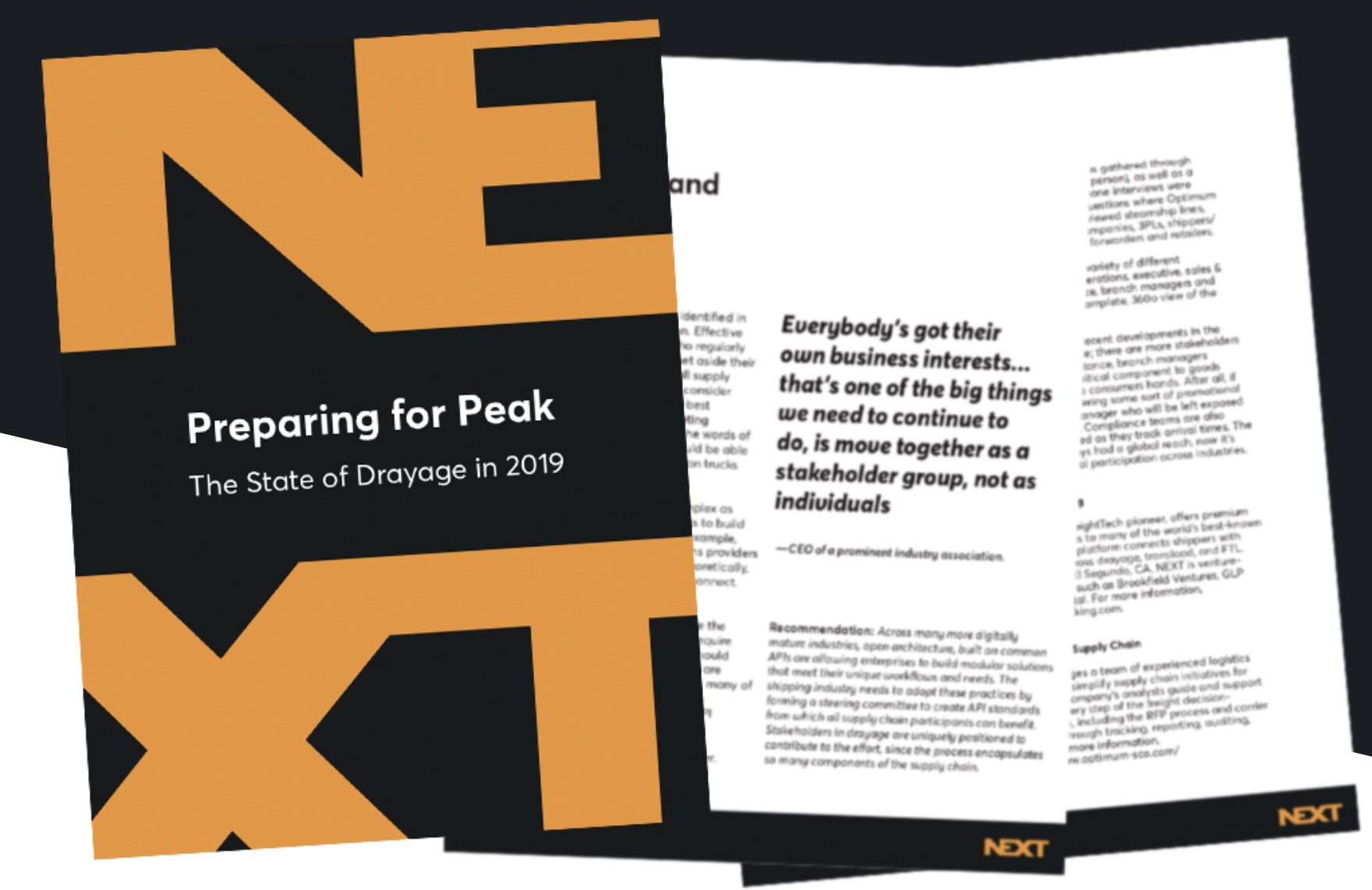
    Preparing For Peak: The State of Drayage 2019

    We surveyed the #logistics ecosystem to understand what shippers want out of their suppliers, and who’s to blame for congestion at the ports.

    Key recommendations from the report include:

    • Stakeholders in drayage are uniquely positioned to implement standardized industry APIs
    • Incorporating existing technology to increase transparency in drayage and improve outcomes and fluidity
    • Transloading optimizes efficiency and mitigates the amount of time spent driving empty containers

    “The regulatory environment and geopolitical climate have combined to delay the start of peak season, but as we get closer to the holidays, we anticipate that volumes will see a prolonged spike that lasts through January 2020,” said Bobby Napiltonia, Chief Revenue Officer for NEXT Trucking. “This research shows what’s possible for the industry as technology continues to influence today’s best practices, and establishes concrete steps that shippers can take immediately to prepare for what will be a frantic end of the year.”

    Download the White Paper Here

  • Webinar: Let’s Talk Data + Drayage!

    Webinar: Let’s Talk Data + Drayage!

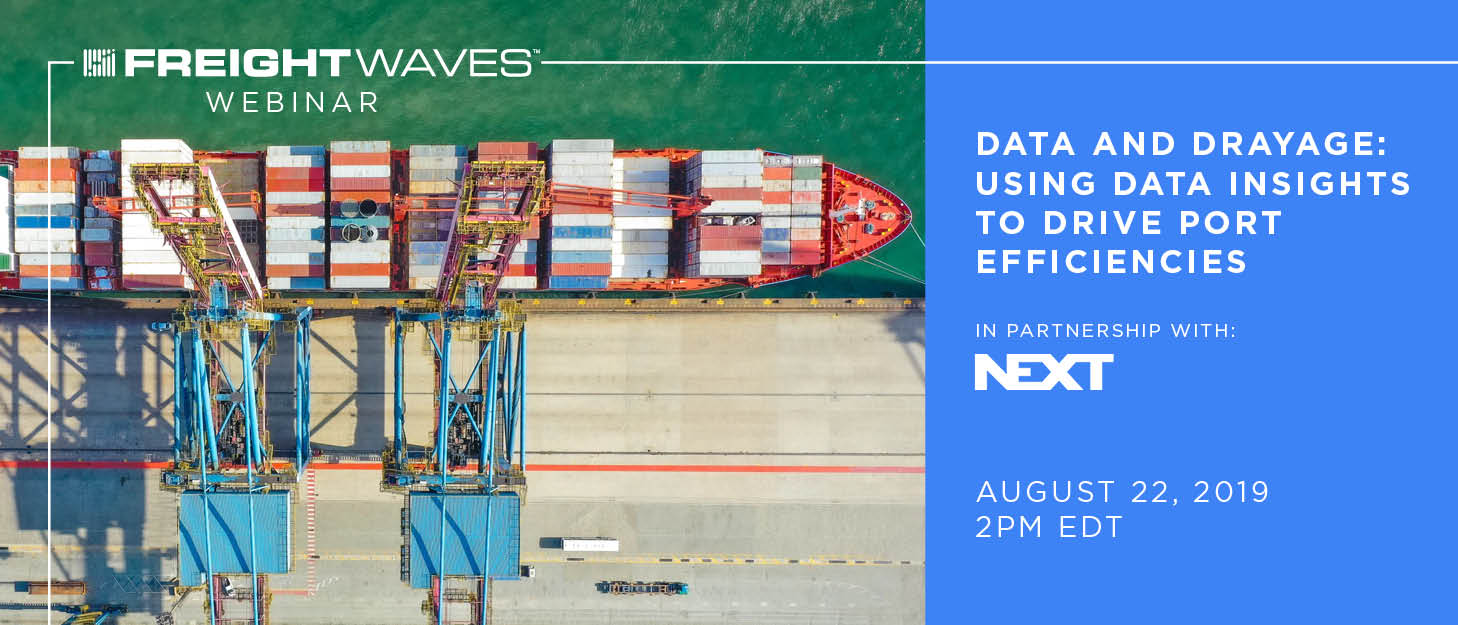
    Yesterday, NEXT partnered with FreightWaves to talk about the importance of using data insights to drive port efficiencies.

    Data sharing can enable companies to intervene at key points in the drayage process to ensure optimal visibility. The webinar is full of insights from NEXT CEO Lidia Yan, CRO Bobby Napiltonia and FreightWaves data guru Henry Byers. Topics include:

    • Key areas of friction and inefficiency in drayage
    • Ways to streamline processes within steamship lines, ports, terminals, etc.
    • How to achieve greater consistency and visibility for better tracking to avoid delays and missed appointments.


  • NEXT Will Add New 18-Acre Drayage Yard in Long Beach

    NEXT Will Add New 18-Acre Drayage Yard in Long Beach

    port_of_long_beach_study_800_536_84_c1


    Doubling Down on Drayage

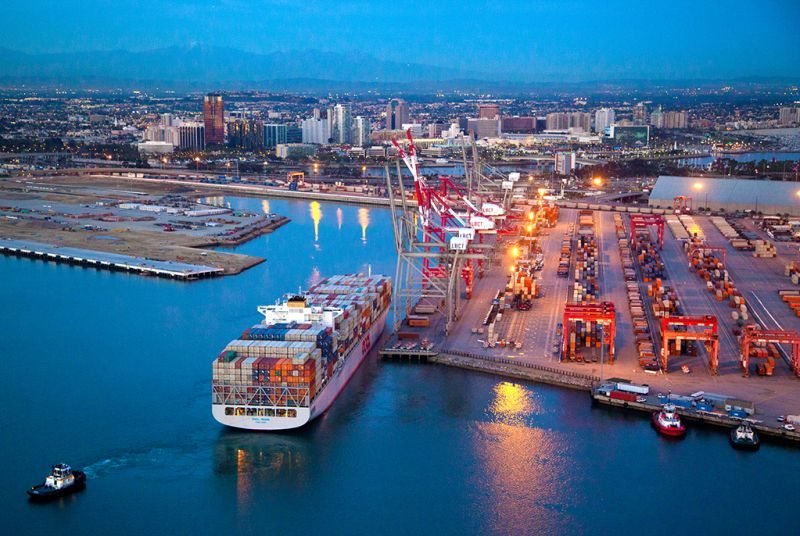
    At this year’s Harbor Trucking Association DrayTECH event, we are announcing an agreement to open a massive new 18-acre drayage yard, just 15 minutes away from where container ships dock. Forgive the pun, but we viewed the yard as a crucial piece of “beachfront property” that helps us further implement our Relay program.

    To put that 18-acres in perspective, our new yard now has the capacity to handle shipments of more than 400,000 espresso machines or 210,000 electric scooters each day. You’d need that many scooters to handle that much caffeine.

    When we launched Relay last year, the idea was to create a method for alleviating congestion at the ports. Our aim was to give port truck drivers the opportunity to make more money from increased loads and quicker turn times every day. The domino effect of a successful Relay program also means shippers get their containers offloaded and through customs more rapidly, and onto the final destination.

    So far, Relay has delivered on the promises we believed it would. Drivers working with us are seeing their incomes increase by up to 50 percent, while our shippers are seeing over 150 percent more containers pulled daily. This growth has all been achieved with an 8-acre yard in Gardena, CA, which is further away from the ports—imagine what will be possible for our customers with our new yard.

    The new Long Beach yard is a logical extension of our approach and will increase our capacity to uplevel Relay’s efficiency on an even larger scale.


  • The Impact of Drayage Missteps: Costlier Than You Think

    The Impact of Drayage Missteps: Costlier Than You Think

    Just how important is getting it right in the first mile out of the port?

    For buyers, shippers, brokers, and carriers, drayage is a high-stakes balancing act of matching supply and demand with capacity.

    Drayage is the moving of goods by truck from or to an ocean port from or to an inland port, warehouse, or intermodal terminal typically in the same metropolitan area. Successful transport relies on the syncing of many moving parts, and stiff penalties such as fines and fees can await shippers and carriers when they stumble. These costs hurt (especially for the smaller players) but the systemic impact can be far more significant.

    shutterstock_336461000


    Let’s explore some drayage mistakes and both the immediate and more profound costs of these blunders.


    WHEN SHIPPING GOES SIDEWAYS


    Inaccurate Forecasting

    For shippers, forecasting is critical to first-mile success, yet many continue to miss the mark. Accurate predictions are never easy, and the shifting trade landscape resulting from the US-China trade war has only made forecasting that much more difficult.


    When forecasts are off it can be abundance or scarcity—either drayage capacity sitting idle or loads never getting picked up. For example, in January of 2019, many drayage companies under forecasted their numbers resulting in more volume than predicted. In this scenario, loads sit, revenue and income shrink, and customer service suffers.


    The months following saw an overcorrection, with hyper-aggressive forecasted numbers resulting in drayage carriers sitting idle or going home and shippers often still responsible for footing the bill.


    Changing Delivery Instructions

    Remember the old saying about not changing the rules in the middle of the game? It never applied more than in the shipping industry. When shippers change delivery instructions such as rerouting the delivery to a different location, it can trigger a series of effects—none of which benefit drayage.


    The new destination often isn’t prepared for the unexpected volume—this can create added congestion, equipment shortages, and compromised efficiency. Carriers get stuck in long lines with extended unload time that can trigger detention fees for shippers. The extended unload fees for truckers can range from $30 to $50 per hour and $25 to $90 for equipment engaged over contracted time. If cargo sits, the shipper’s wallet takes another hit—demurrage fees range from $75 to $150 per container per day increasing over the stay.


    Rerouting also contributes to equipment dislocation and shortages (especially chassis) and can trigger “empty mile” trips. These dry runs can incur bobtail fees typically ranging from $200 to $400. With the estimated 65 billion empty miles per year truckers drive, it’s easy to see how expensive a change of plans can become.


    Changing routes and the resulting congestion costs carriers too—their income suffers as they aren’t able to make as many trips. Department of Transportation numbers indicate detention time is responsible for an estimated 1.1 to 1.3 billion dollars of lost trucker income annually.


    Failing to Prepare for Customs

    To err is human and mostly pardonable but to show up unprepared is, well, not. U.S. Customs requires a boatload (pardon the pun) of documents and forms for shippers including bonds, licenses, permits, certificates of origin, and commercial invoices. Many shippers bog down in Customs simply because they don’t have their paperwork in order.


    Inaccurate or incomplete paperwork brings at least an inconvenient delay—possibly resulting in missed appointments, late deliveries, and angry customers. Negligent documentation can incur fines up to four times the duty or 40% of cargo’s value. If fraud is proven, the entire load can be seized or fines up to full value of the shipment levied.


    shutterstock_1220052922


    WHEN TRUCKERS GET IT WRONG

    As challenging as the first mile is for shippers, it can be just as daunting for carriers, especially since strict ELD enforcement went into effect. Ah yes—that ELD mandate.


    Failing to Plan for Hours of Service Restrictions

    For carriers, planning their work schedules is vastly more difficult in today’s landscape of strict ELD enforcement. Many are failing to plan or miscalculating their hours of service (HOS) and getting stuck with two choices. Neither is desirable but both preferable to paying the stout fines for HOS violations which can range from $1000 to $10,000 with the average penalty being $2,867.


    Drayage carriers approaching their HOS limit can choose to park the load, go off duty for the required ten hours of rest, then resume their journey. This option dramatically increases transit time, often resulting in missed appointments and late deliveries. A second option is dropping the load for another carrier and thus incurring added operational cost for the shipper as well as the fallout from late delivery.


    Going on AutoPilot

    This phenomenon is especially prevalent if a trucker is familiar with the lane and customer—human nature takes over, and the routine details of a delivery shift to auto-pilot. When critical instructions such as delivery window, door dock, or location inevitably change the results can be chaotic. Ultimately, the system bogs down and revenue, income, and customer service all take a hit.


    Lacking Transparency

    Drayage succeeds or fails based on clear, consistent, and accurate lines of communication between all moving parts. Unfortunately, many carriers today fail to maintain transparency regarding their location, capacity, and schedule.


    When carriers go dark complexities mount for shippers and brokers as they no longer have access to the information they need to match supply and demand with capacity. Kind of like trying to play chess blindfolded, they are left guessing, and the entire drayage ecosystem suffers.


    PARTING THOUGHTS

    When mistakes occur in the first mile, the shockwaves are felt by all in this tightly woven industry. Shipper missteps impact carriers—and vice versa. The cost of fines and fees sting at the moment, but the real impact of first mile blunders penetrates far deeper. Drayage miscues result in systemic inefficiency—dislocated equipment, idle carriers, and undelivered freight. Shippers lose revenue and reputation, carriers lose income, customer service plummets, and these are the costs nobody can afford.

  • What Is Drayage And Why Is It Important?

    What Is Drayage And Why Is It Important?

    If you were to poll a group of people on what the word “Drayage” means, you might get five different definitions. How can one of the most important steps in the supply chain and a vital component of the global trade market cause so much confusion? Let’s break it down:

    What is Drayage?

    By definition, drayage is the transport of freight from an ocean port to a destination. It’s also often described as the process of transporting goods over short distances, aka “The first mile.” Now, you may be thinking, what’s the big deal? Surely the first mile can’t be that complicated.

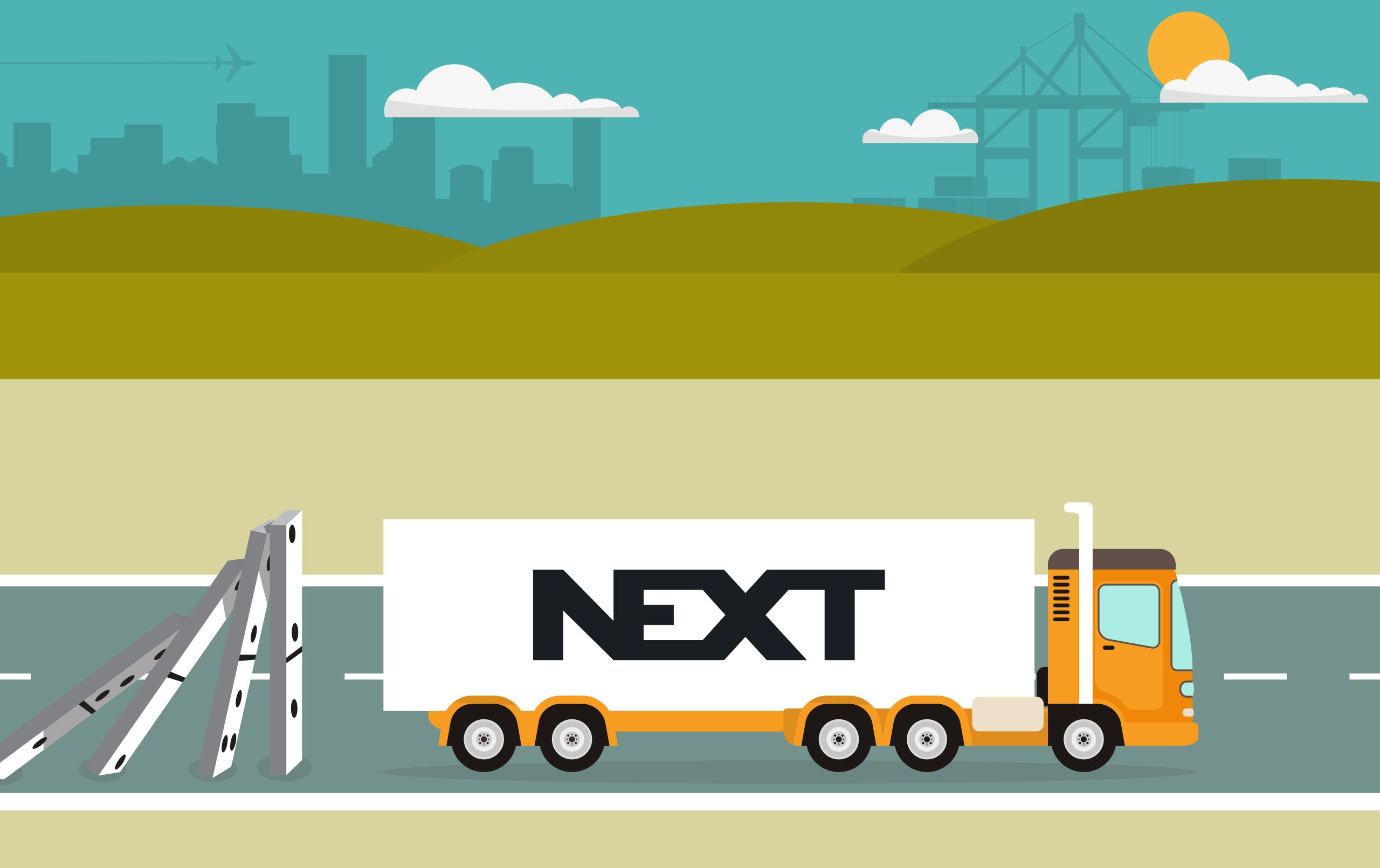
    Think of it like this: One container’s journey from ship-to-shelf (or final destination) is akin to a row of dominoes. Drayage is the first domino to fall. If the first domino doesn’t fall correctly, it affects the entire row.


    Dominoes_Official-01

    While the term drayage specifically refers to short distance movements as part of the supply chain process, the term is mainly used by the container shipping industry. Drayage loads typically have departure and arrival points in the same metropolitan area and do not focus on long haul or national movements.

    Because a drayage load can have many connotations, there tends to be confusion among carriers on how to classify it. Many carriers simply equate “drayage” with having to go into a port, which isn’t always the case. While all drayage loads tend to originate at a port of entry, there can be several legs of a drayage load (port, yard, warehouse, rail) before the container arrives at its final destination.

    While drayage may seem like a small step of the process, it’s an integral part of the logistics industry and vital to the overall supply chain management process across the United States. That two-day shipping you love — where you press a button on your computer or app and something magically shows up at your door two days (sometimes faster) later… Drayage plays a huge part in that. In fact, “the first mile” sets the tone for the entire journey from ship to shelf.

    Why is Drayage so important?

    There are several large ports across the United States from Seattle, NY, NJ, Georgia, Oakland, Houston and Miami. That said, over one quarter of the total container trade in North America travels through the ports of Long Beach and Los Angeles. Annual trade movement at the Long Beach Port alone is valued at $194 billion annually.

    Combined, the San Pedro Bay Complex (LA + Long Beach) make up 32% of the nation’s market share and 73% of the west coast.

    Finished Infographic-01

    As the gateway to the Asia trade market, the San Pedro Bay Complex is crucial when it comes to drayage. The LA drayage marketplace is a $60B a year industry.

    With that amount of money on the line in a given year, it’s somewhat surprising that congestion and inefficiencies are still huge problems at the ports. It’s generally known that major delays, driver frustration, financial penalties and missed deadlines are key factors and pain points in dealing with drayage loads. Some contributing factors are lack of chassis, not enough carriers and overwhelmed terminals that simply can’t keep up with demand.

    Peak season can also cause major delays and problems at the ports. August through December leading up to the holidays tends to be the busiest time of year for massive backlogs of ships and delayed containers.

    NEXT CEO, Lidia Yan knows the challenges all too well.

    “If you go to Silicon Valley, nobody knows what drayage is. If you go to Wall Street, no one has ever heard of drayage. It’s our job to tell them how important drayage is – how important the first mile is. 30% of inbound freight comes into this city and the 36,000 warehouses here. This is the core of the economy. If the LA ports don’t move, we don’t have any clothes to wear, food to eat, raw materials to use.”

    However daunting the process may seem, where challenges exist, so do opportunities for solutions.

    “We need to automate the ports, because they are not automated right now. At NEXT, we’re building the first drayage solution in the world.”